Start with the floor, not the machine
I measured my spare room three times before buying anything. Turns out that was the smart part. A rower needs roughly 8 feet of length once the rail is extended, and you can't fold that away. Treadmills fold, but the deck still holds a footprint about the size of a coffee table when stowed upright.
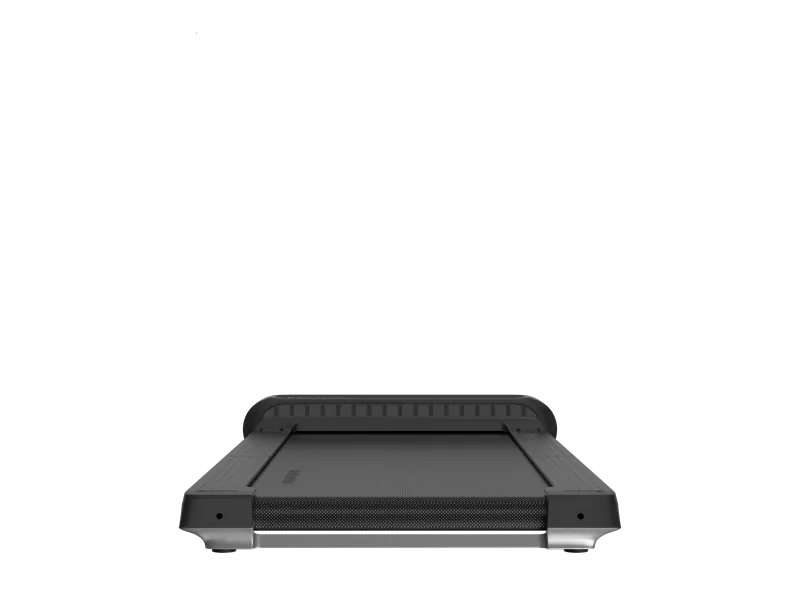
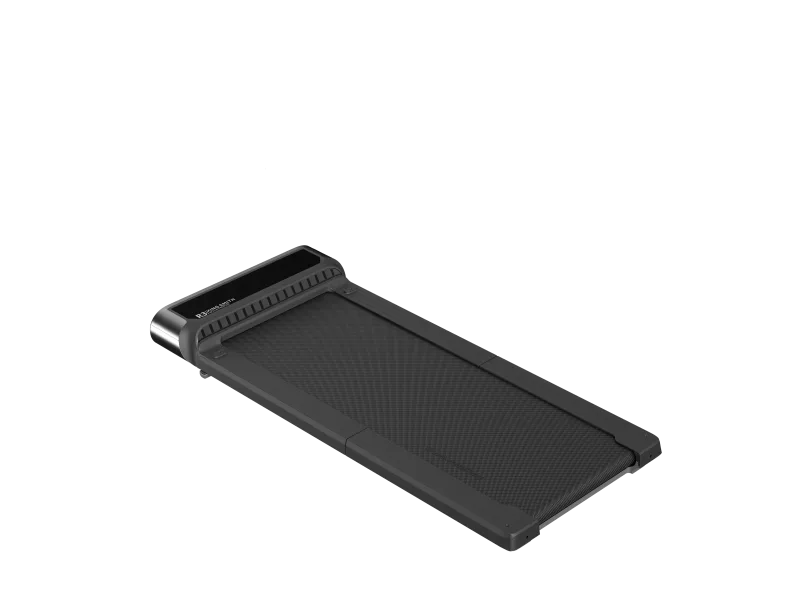
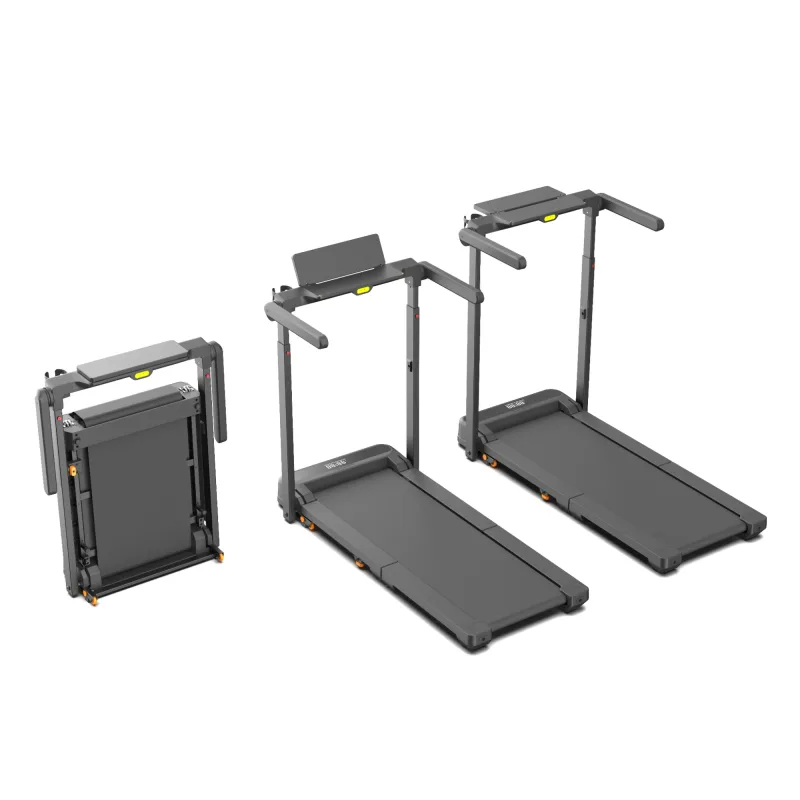
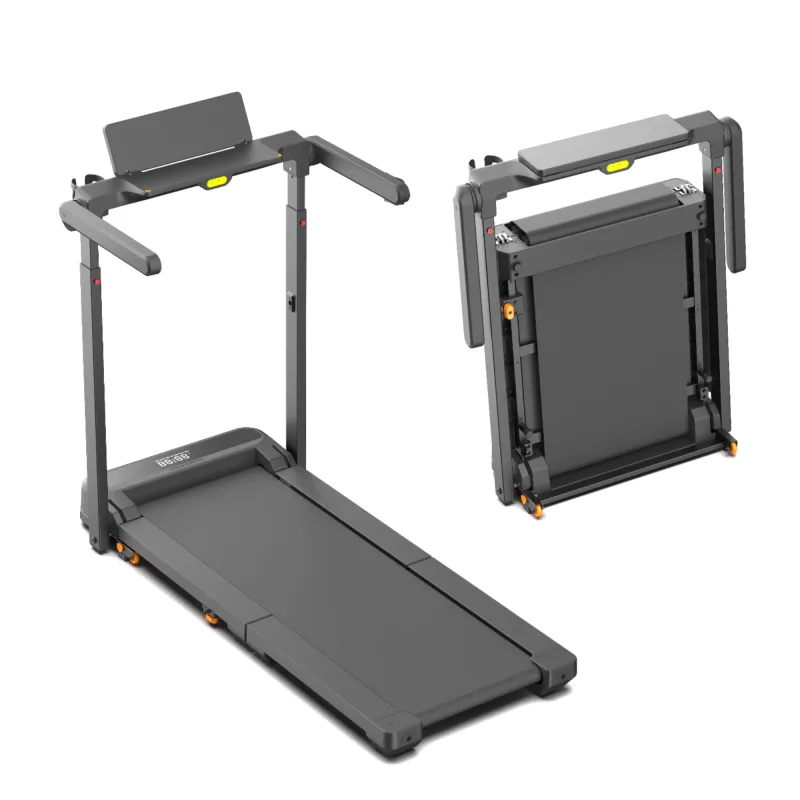
Walking pads are the odd one out. The WalkingPad R3 Just Walk Foldable Walking Pad slides under a sofa or desk at around 3 inches thick, which is why so many people end up using one in a living room rather than a gym corner. If your only free space is beside a bookshelf, that detail matters more than any spec sheet.
What each one actually works
A rower is a pull. Legs drive first, then your back and arms finish the stroke, so your lats and mid-back get real work in a way that running never touches. Twenty minutes of steady rowing leaves my upper back tired before my legs are.
A treadmill or walking pad is pure repetition — hips, knees, calves, and whatever your posture does under fatigue. Walking at 3 mph while answering emails is genuinely low-effort. Running at 7 mph is not, and your calves will tell you about it the next morning.
Neither is better. They're just different tools. If you want one machine for the next five years, pick the motion you'll actually repeat on a Tuesday night when you're tired.
Noise, neighbours, and thin floors
Here's what nobody tells you: a rower on a hard floor is loud. The seat rolls, the chain pulls, and the flywheel hums. In a second-floor apartment with no rug, my downstairs neighbour heard every stroke.
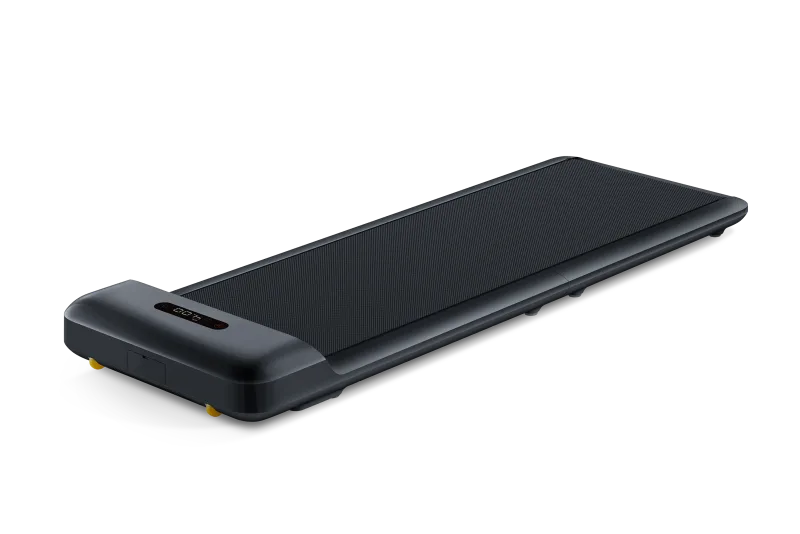
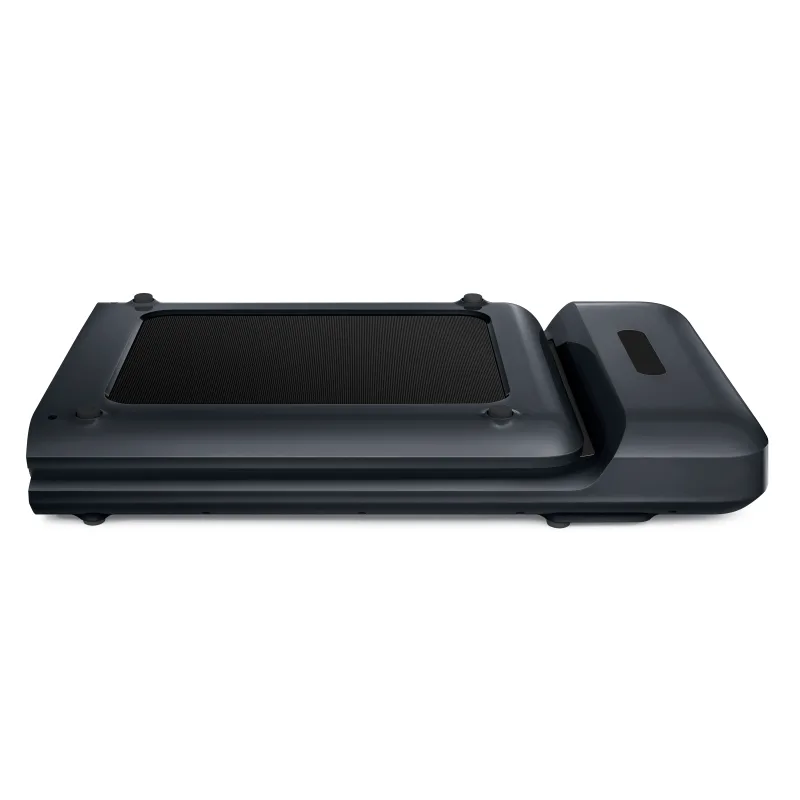
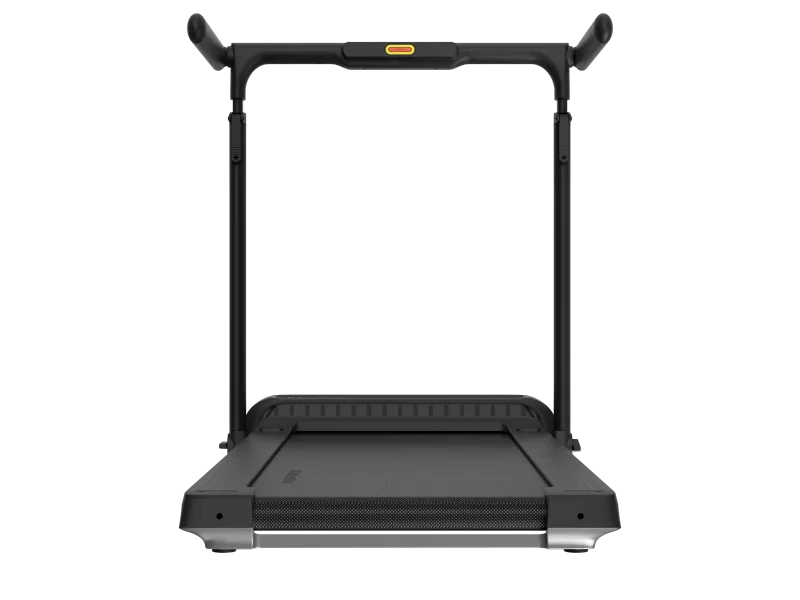
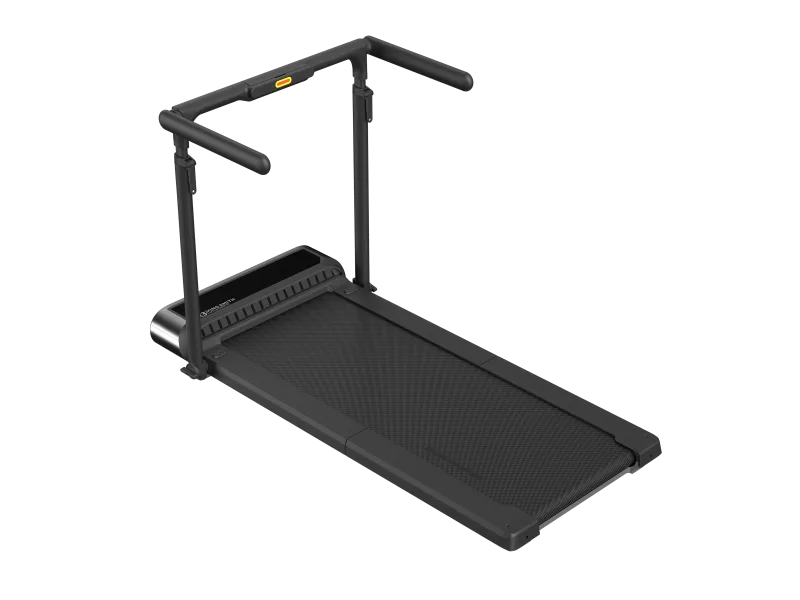
A walking pad under a desk is nearly silent at 2-3 mph, which is the whole point. The WalkingPad C2 Foldable Walking Pad runs quiet enough that I've taken calls while walking, though anything above 4 mph starts to sound like a small appliance. A folding treadmill sits somewhere in the middle — the KingSmith MX10 Folding Treadmill is fine at a jog, but a full sprint on any deck will travel through floorboards.
Budget for a mat either way. It's the cheapest fix you'll make.
Where recovery fits in
Whichever machine you choose, the first two weeks will wreck your calves, hips, or lower back. Rowing pulls hard on the lumbar spine if your form slips. Running tightens hip flexors and calves.
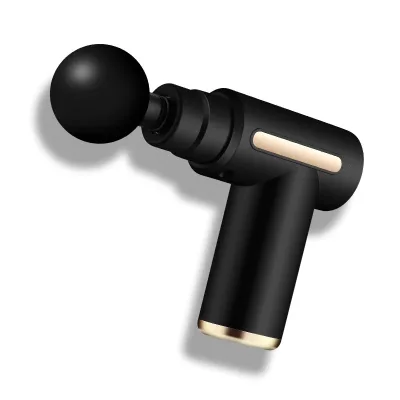
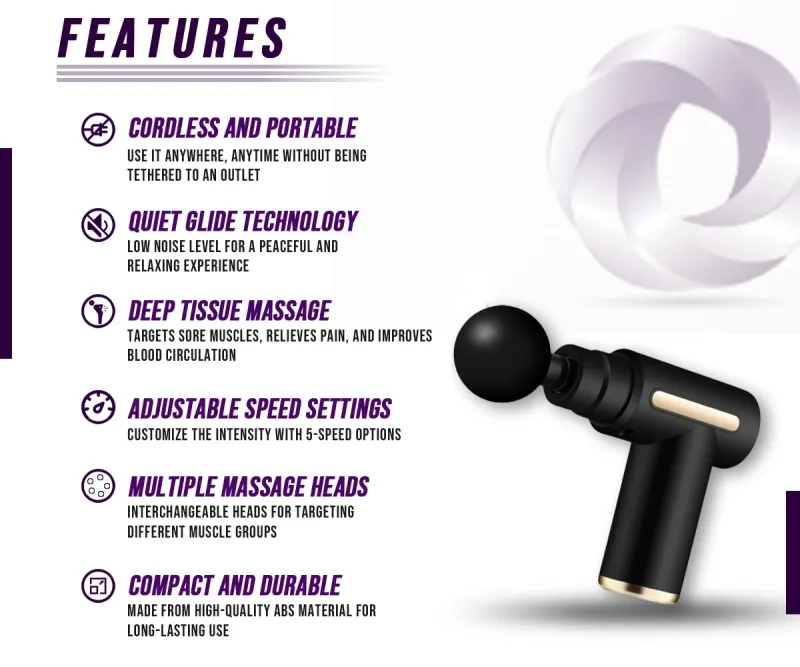
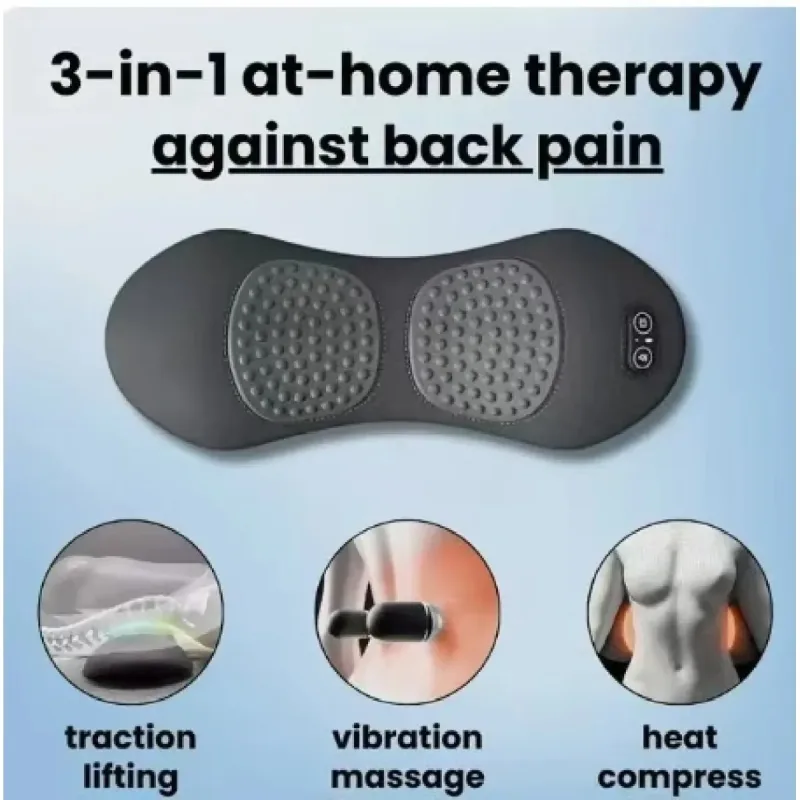
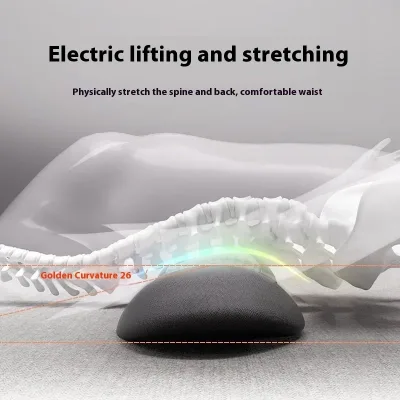
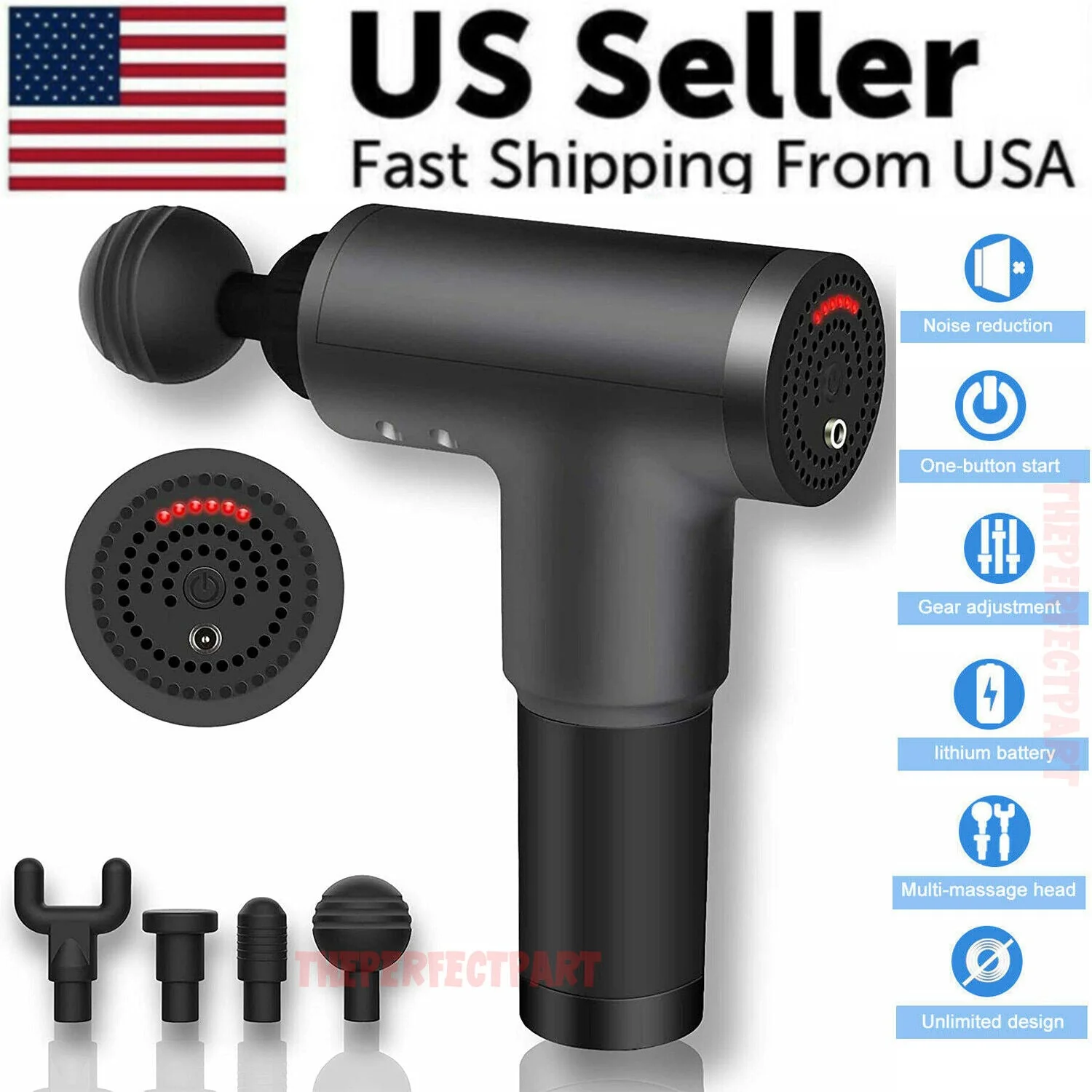
I keep a Deep Tissue Muscle Massage Gun next to the rower and use it for two minutes per calf after longer sessions. For the desk side of things — and if you're using a walking pad, you're at a desk — a Heated Lumbar Massage Pillow – Lower Back Support does more for a stiff lower back than any stretch I've tried.
You don't need a full recovery setup. One percussion tool and ten minutes of mobility work covers most of it.
Warranty and repair coverage: read this before you pay
Cardio machines have moving parts that fail. Belts stretch, motors wear, rower chains need oil. Before buying, check three things:
- What the warranty actually covers. Frame-only warranties sound generous until the motor dies at month 14.
- Who pays return shipping. A 90-pound treadmill is not something you want to box up twice.
- Parts availability. Ask whether replacement belts or chains are stocked locally, or if you'll be waiting six weeks.
Also worth knowing: extended plans usually exclude wear items like belts and pads. Those are the parts most likely to need replacing.
So which one?
If you rent, work from home, and want movement without leaving your desk, a walking pad wins on space and noise. The WalkingPad R3 Hybrid+ Foldable Treadmill splits the difference if you want to jog sometimes.
If you have a dedicated corner, don't mind a rug, and want your arms and back involved, get the rower. Just test one in person first — the stroke feel is personal, and a machine you avoid using is the most expensive thing in the room.