Why a Balanced Home Gym Matters
A home gym is only as good as its balance. If you fill a spare room with nothing but dumbbells, you will build strength but neglect your heart and lungs. If you buy only a treadmill, you will get your steps in but miss out on the muscle-building work that keeps your joints stable and your metabolism humming. The most effective home gyms cover three pillars: strength, cardio, and recovery. Get all three right and you can train consistently for years without leaving the house.
This guide walks through practical equipment choices for each pillar, so you can build a setup that fits your space, your goals, and your budget.
Strength Training Picks for Small Spaces
Strength work does not require a commercial gym's worth of iron. A few versatile pieces cover the majority of your training needs.
Free weights and benches
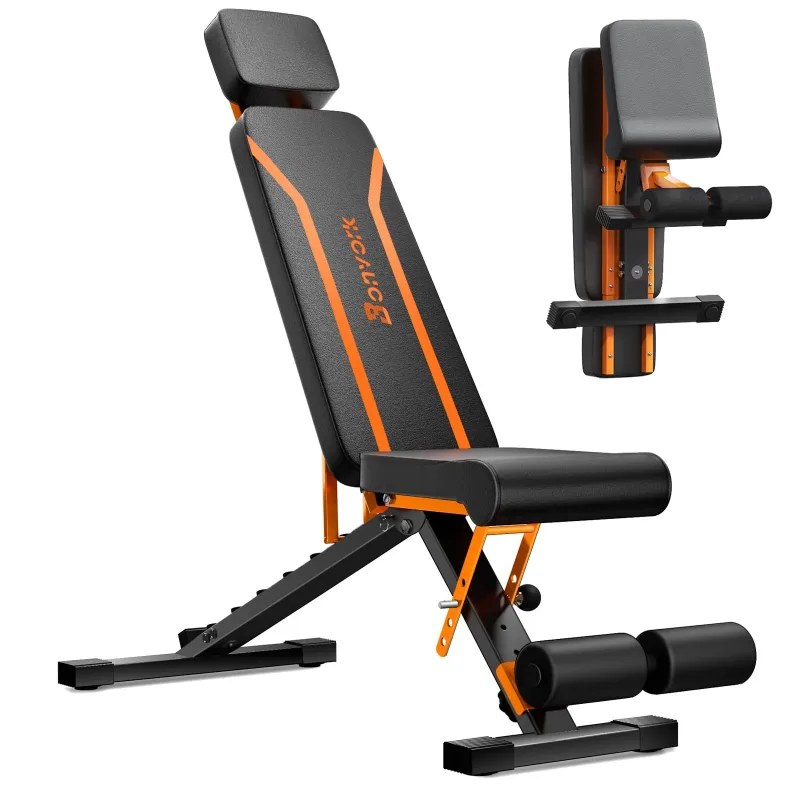
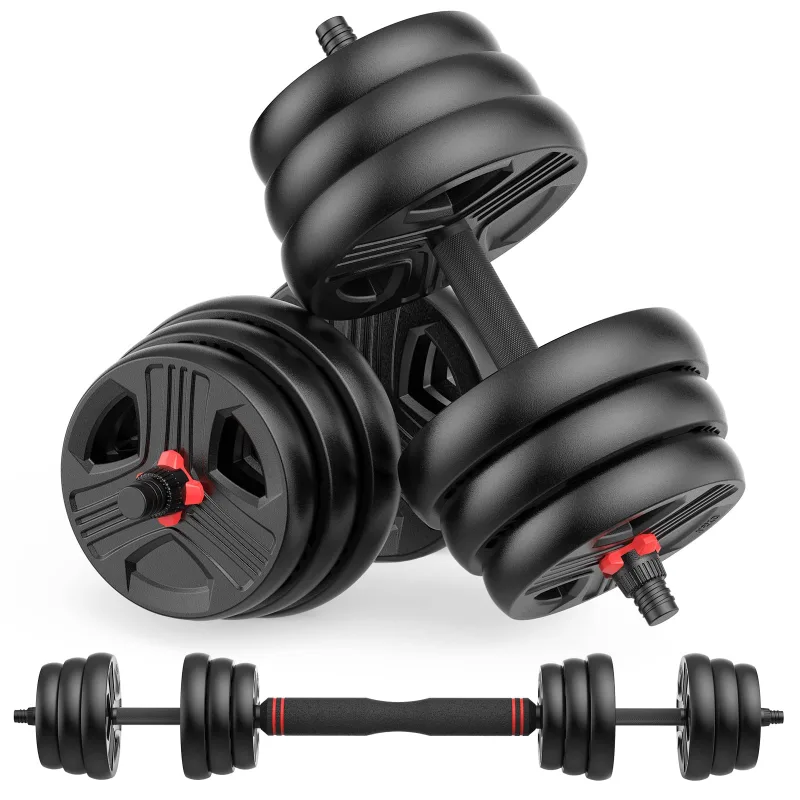
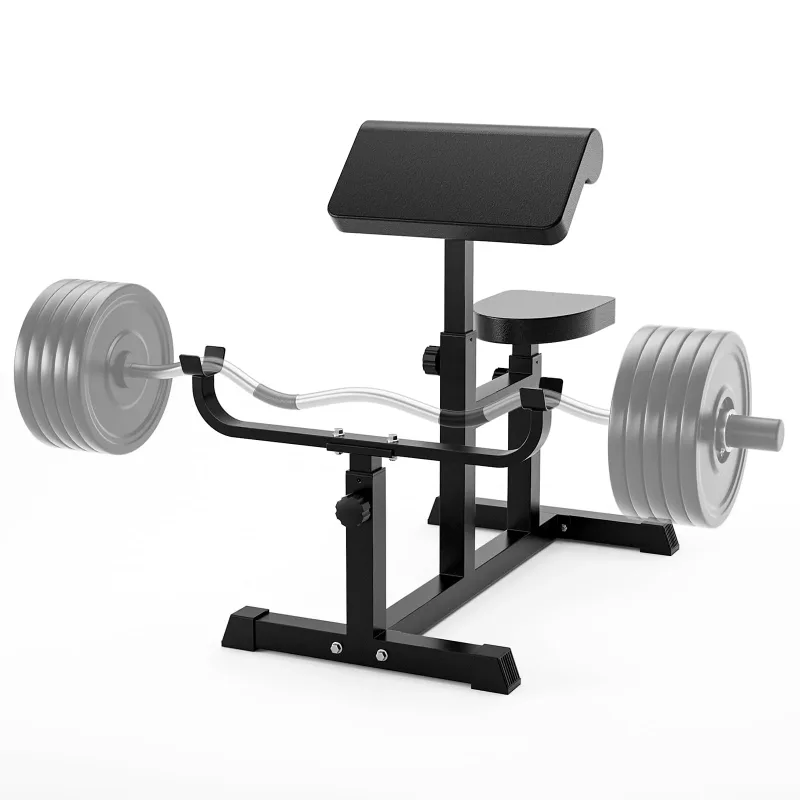
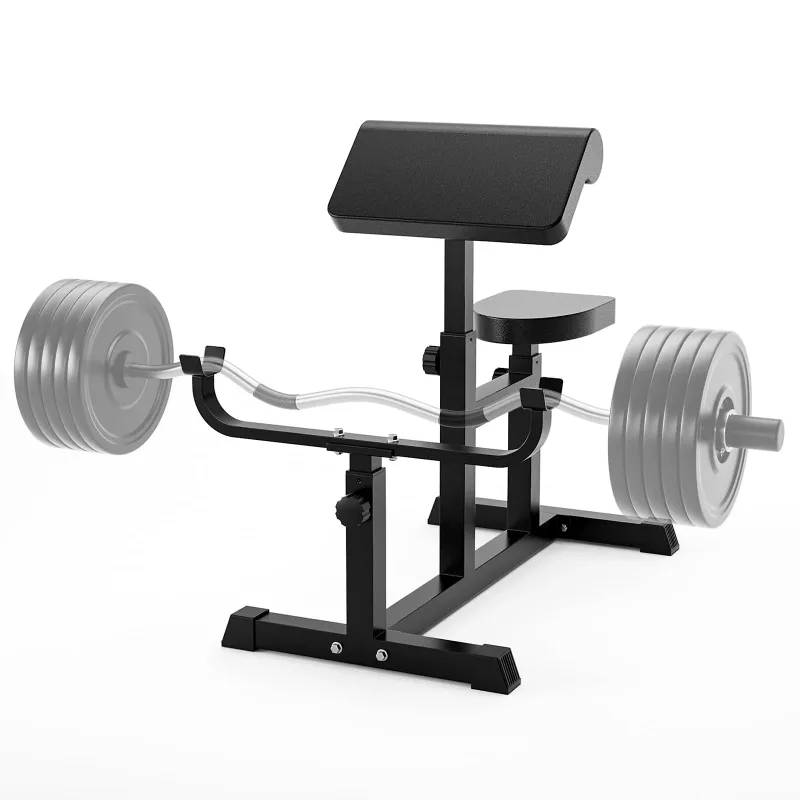
Start with an adjustable bench and a convertible dumbbell set. The Home Gym Starter — Adjustable Bench & Convertible Dumbbell Set is designed exactly for this: one bench that flat, incline, and decline presses, paired with dumbbells that replace an entire rack. Add a Uboway Preacher Curl Bench – Adjustable Height if you want to isolate arms and reduce cheating on curls.
Bands and bodyweight tools
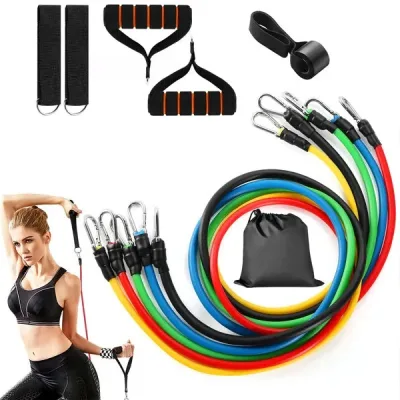
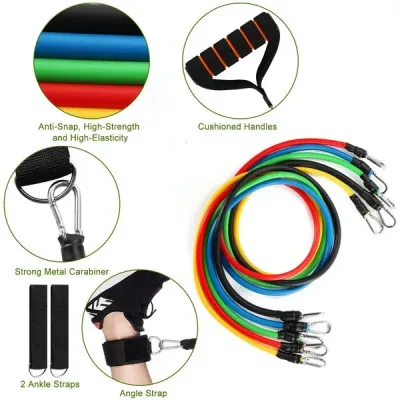
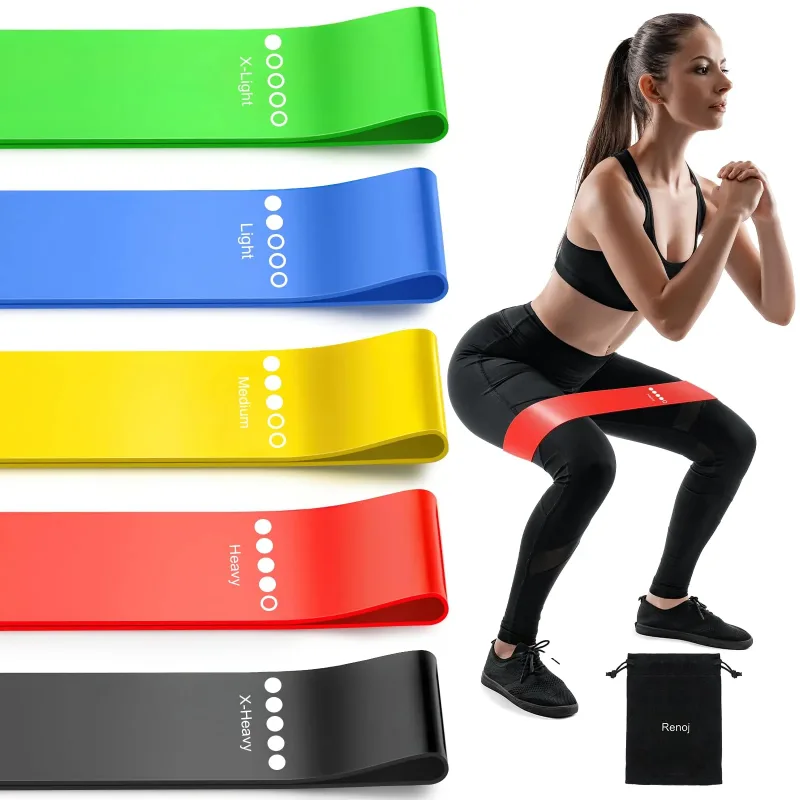
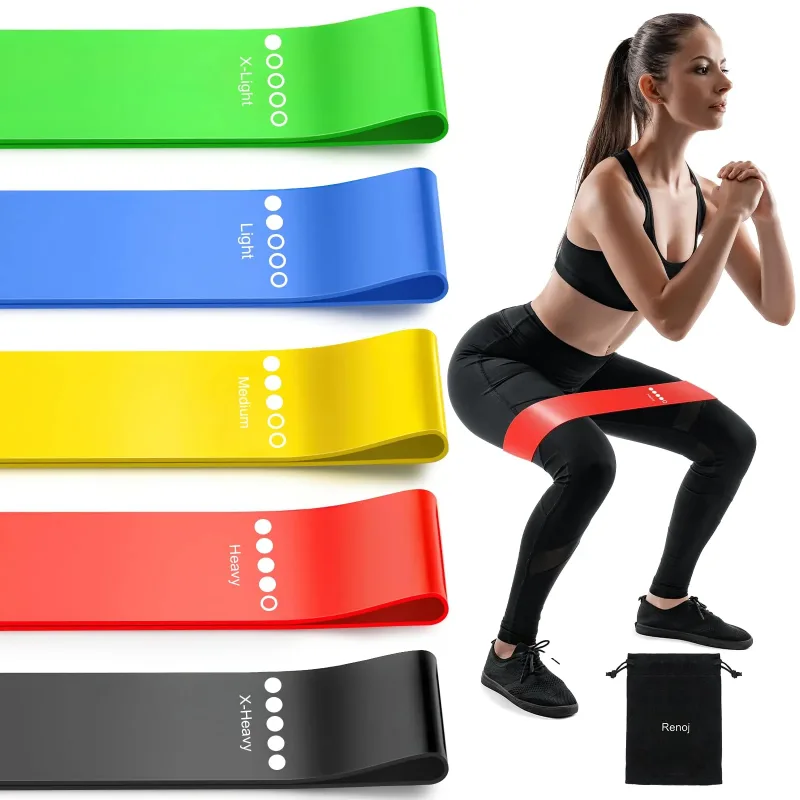
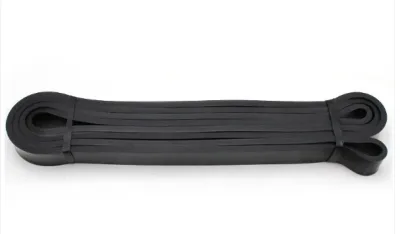
Resistance bands are the most space-efficient strength tool you can own. An 11-Piece Resistance Bands Set with Handles handles rows, presses, and lateral work, while a Booty Resistance Bands – 5-Piece Set targets glutes and hips with loop-style tension. For stretching and assisted pull-ups, a Yoga Pull Rope – Stretching & Pull-Up Assist Belt is a smart, low-cost addition.
Combat and conditioning gear
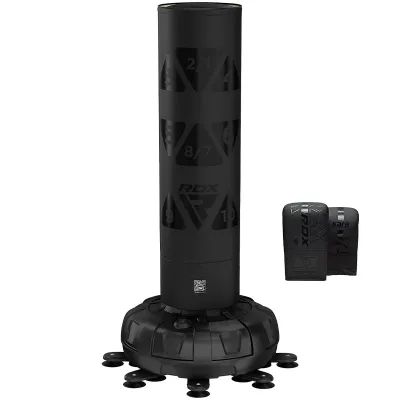
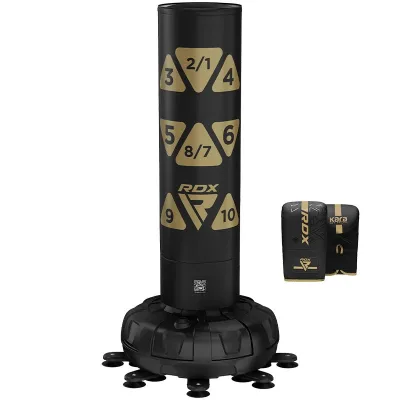
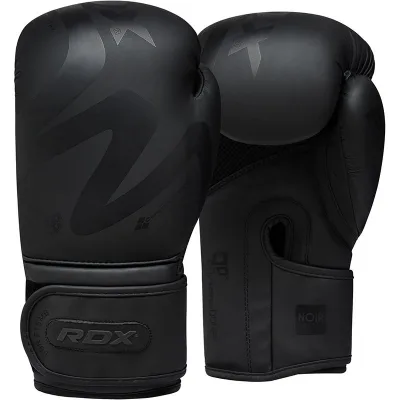
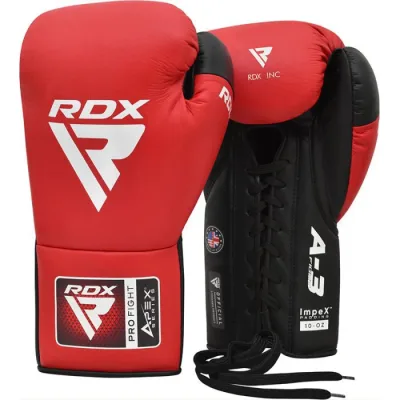
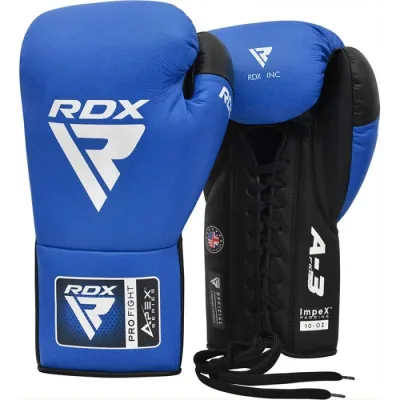
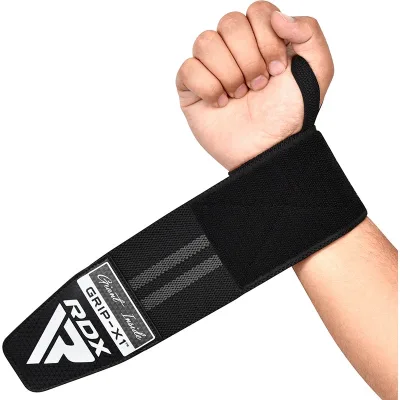
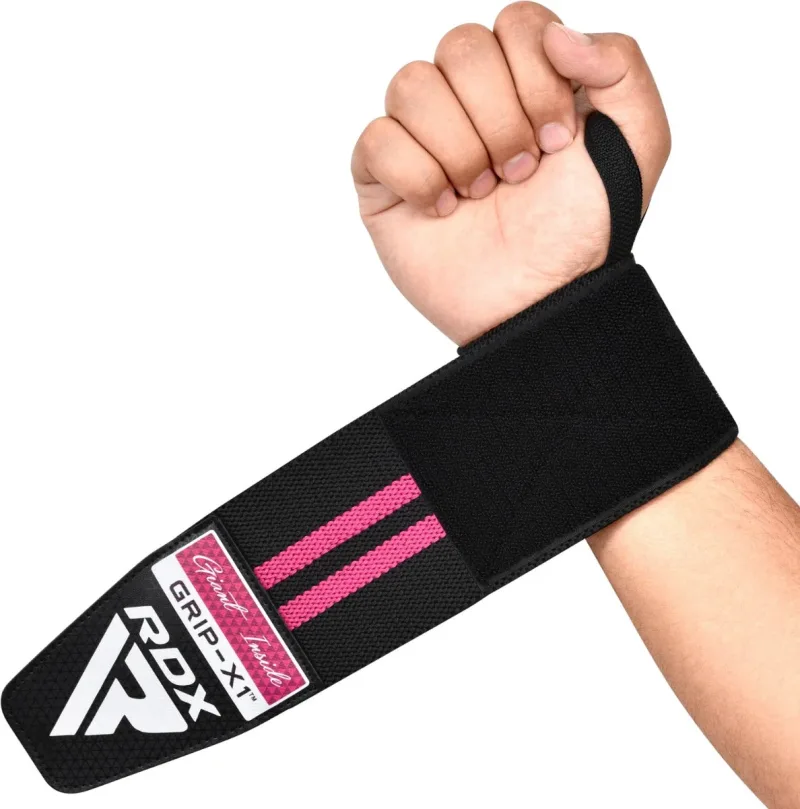
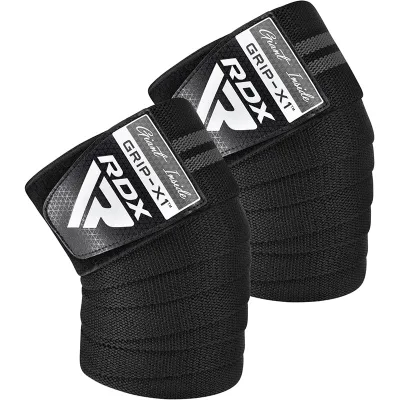
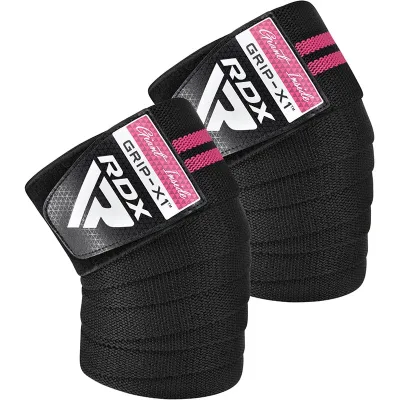
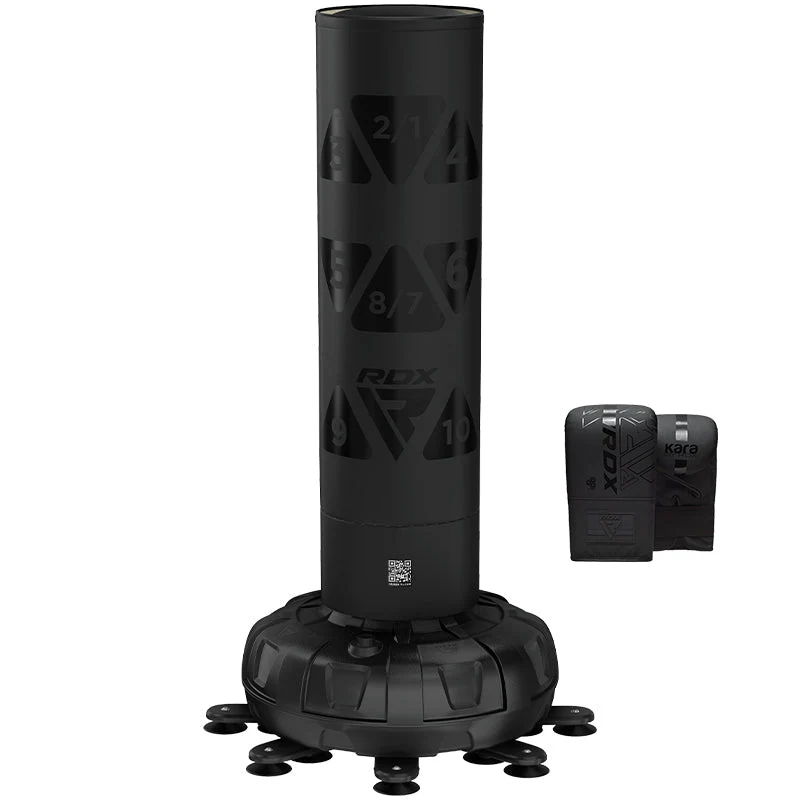
If you enjoy striking or grappling, a RDX Target Free-Standing Punch Bag delivers a full-body workout without ceiling mounts. Pair it with RDX F15 Boxing Gloves or the RDX Apex A3 Pro Fight Boxing Gloves for hand protection, and add RDX R11 Wrist Wraps plus RDX R11 Knee Wraps to keep joints supported as intensity climbs.
Cardio at Home: Treadmills, Walking Pads, and Rowers
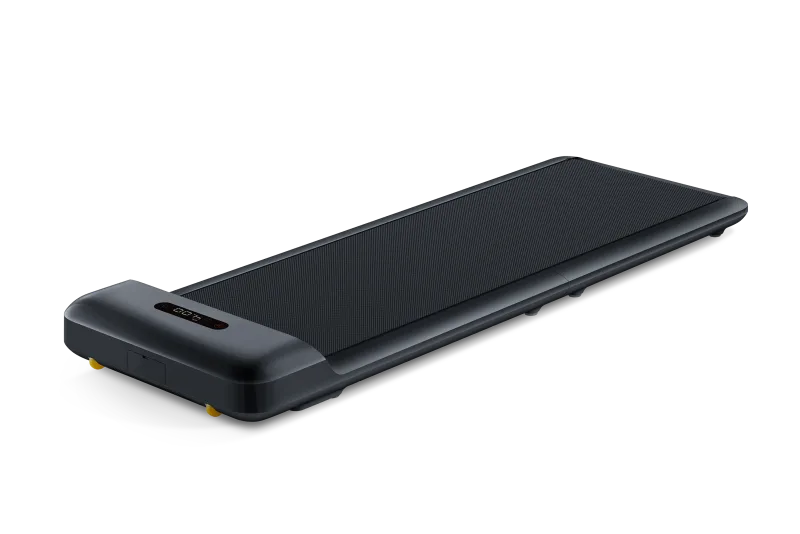
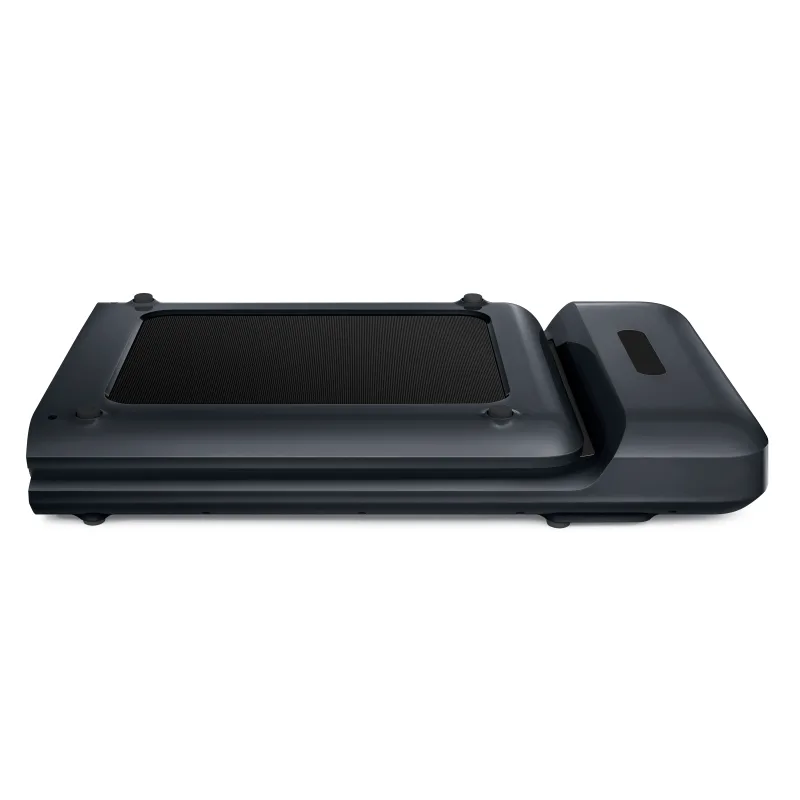
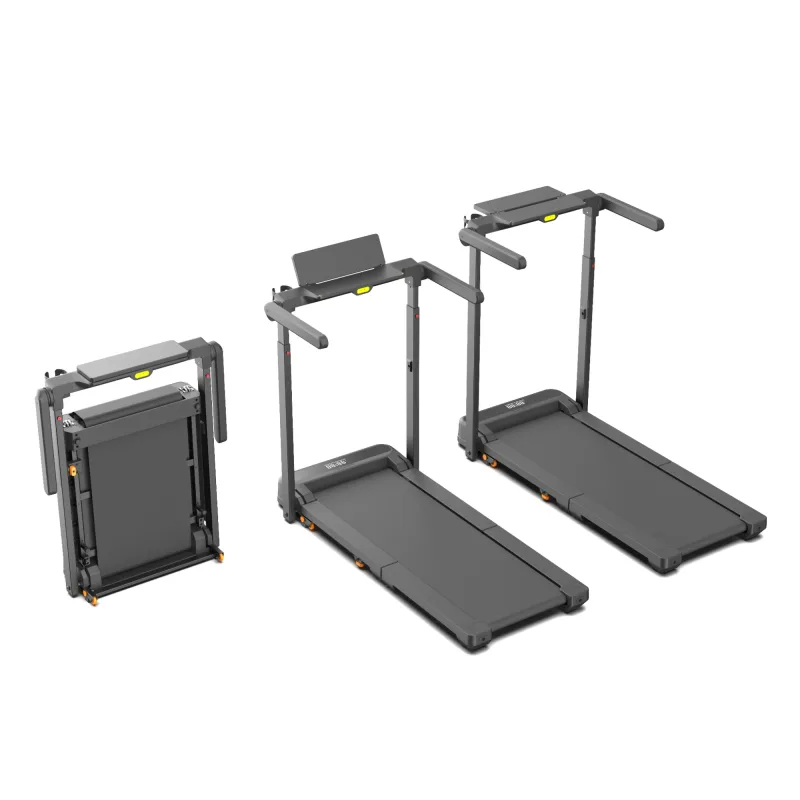
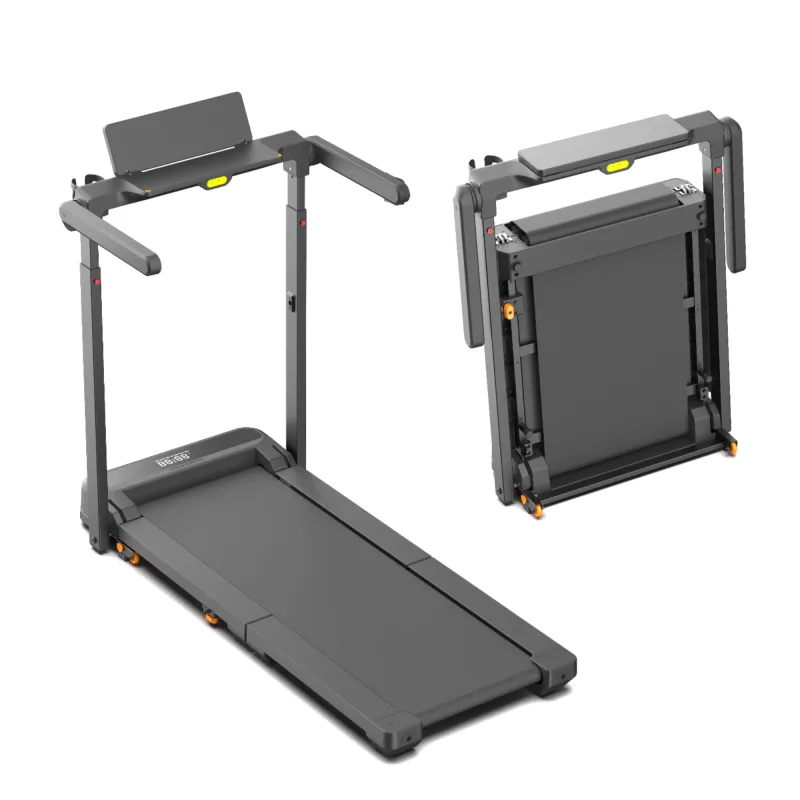
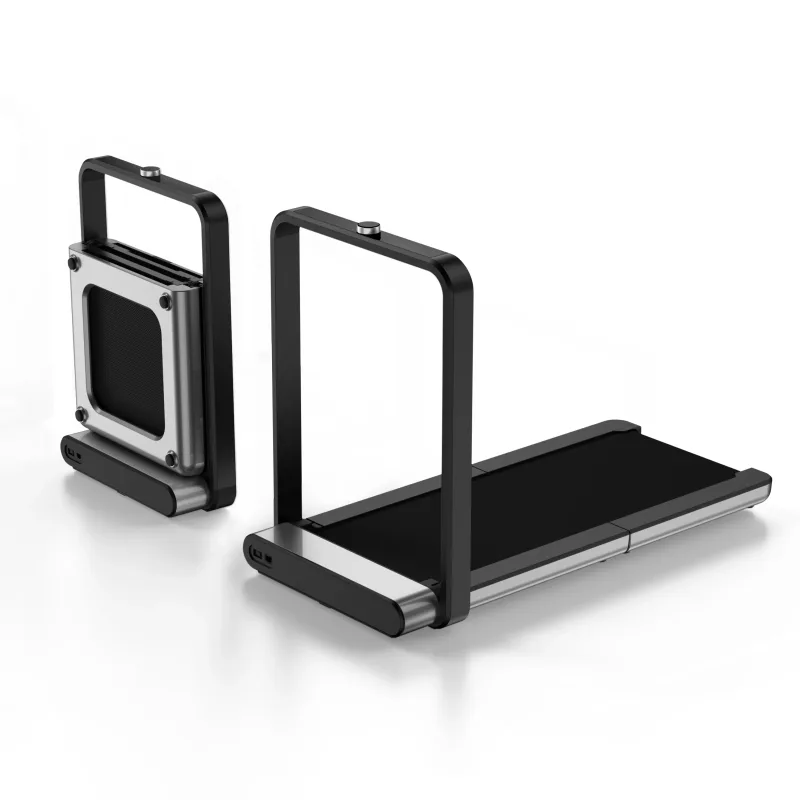
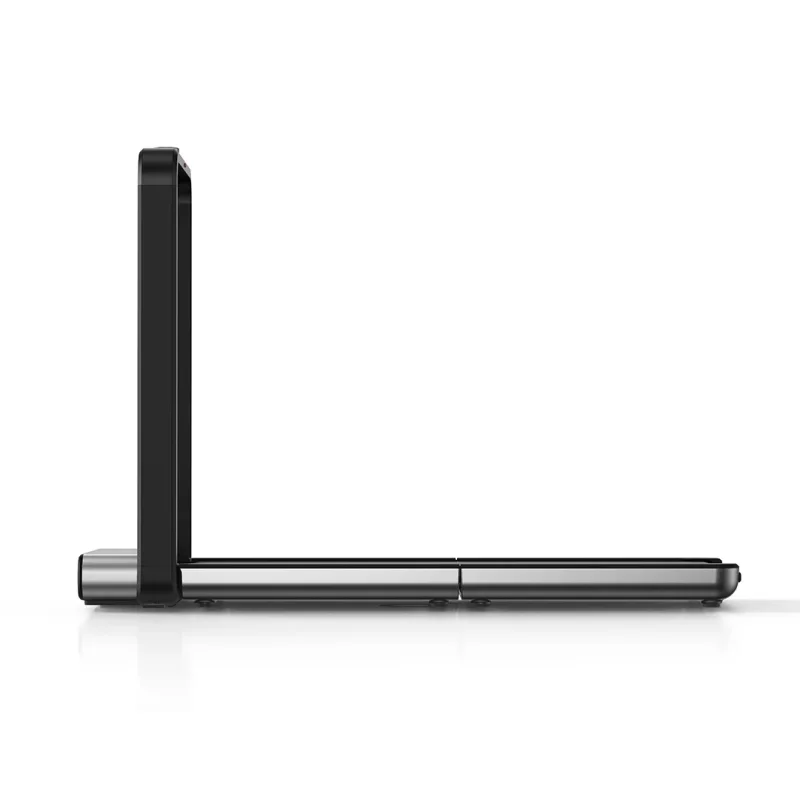
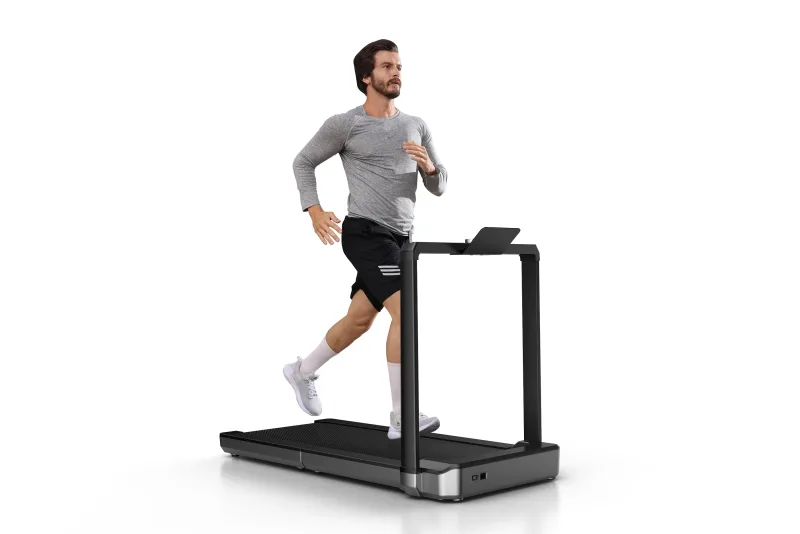
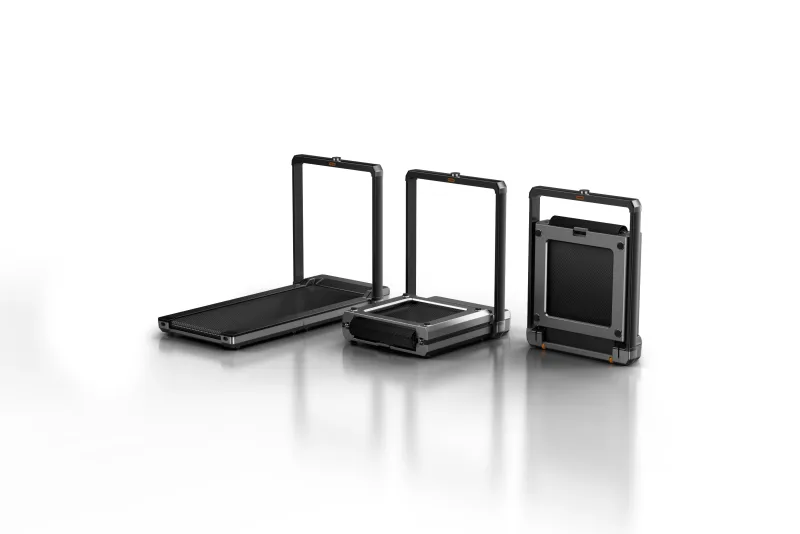
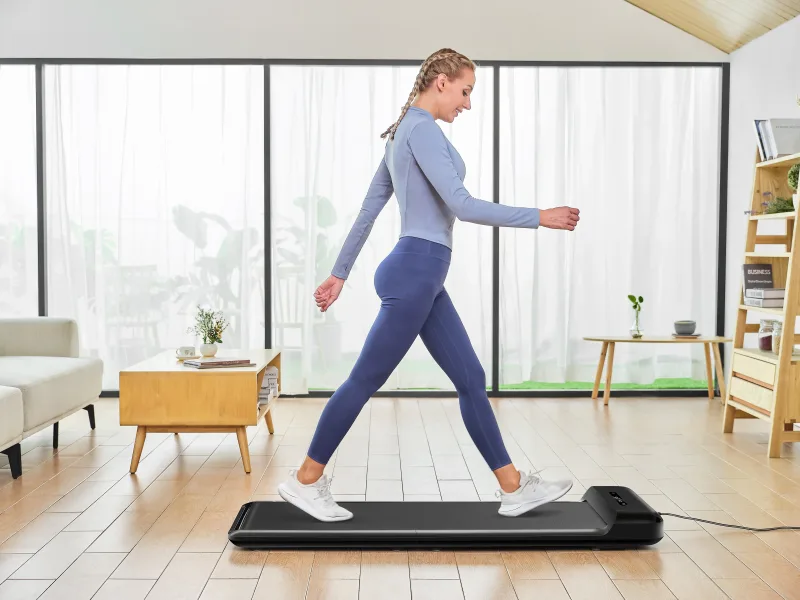
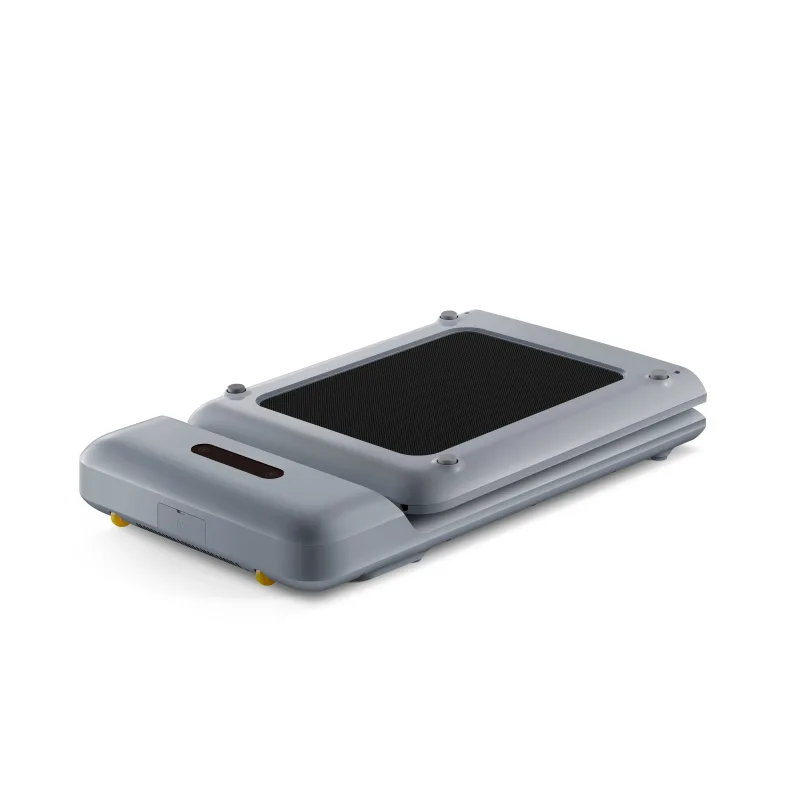
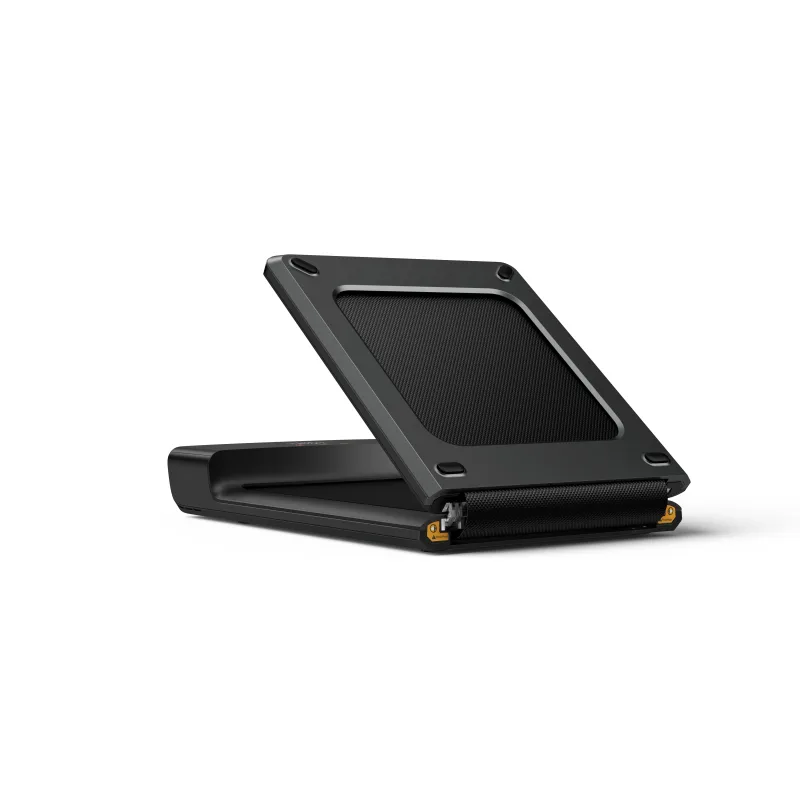
Cardio equipment has become remarkably compact. Foldable walking pads slide under a desk or sofa, while folding treadmills handle running intervals.
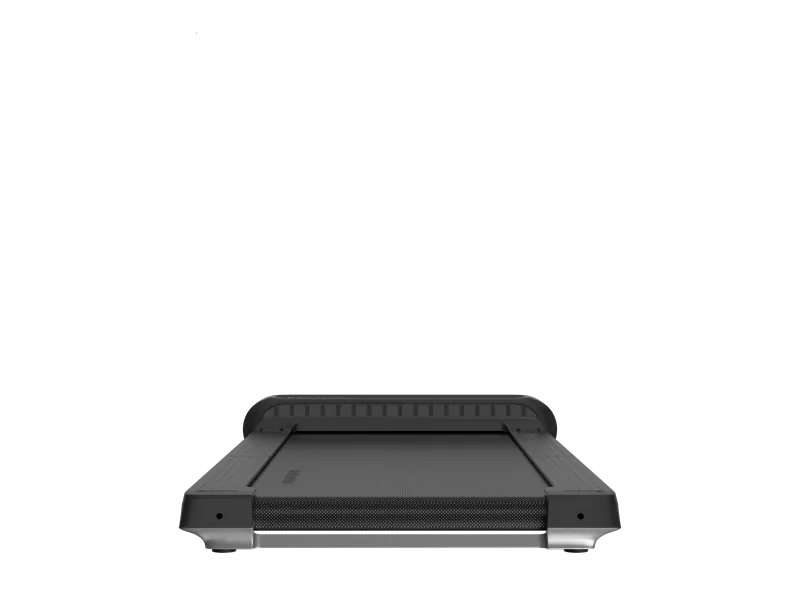
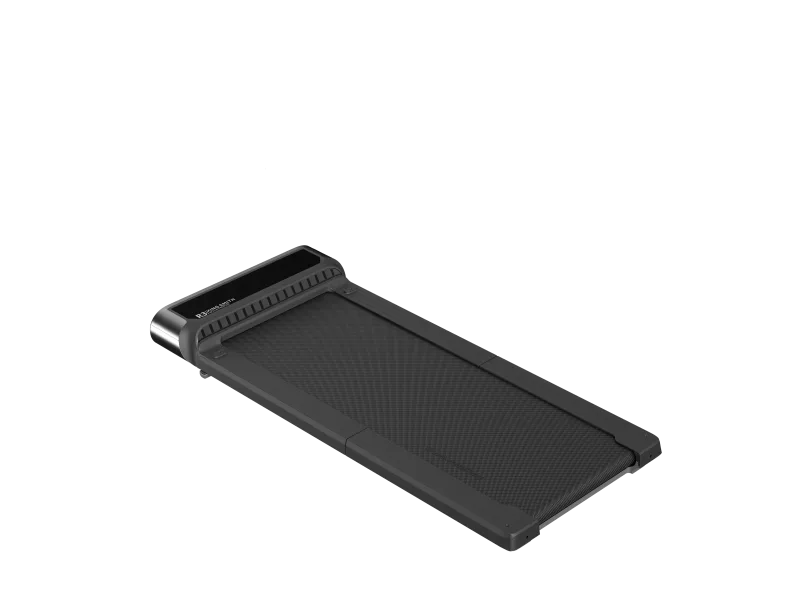
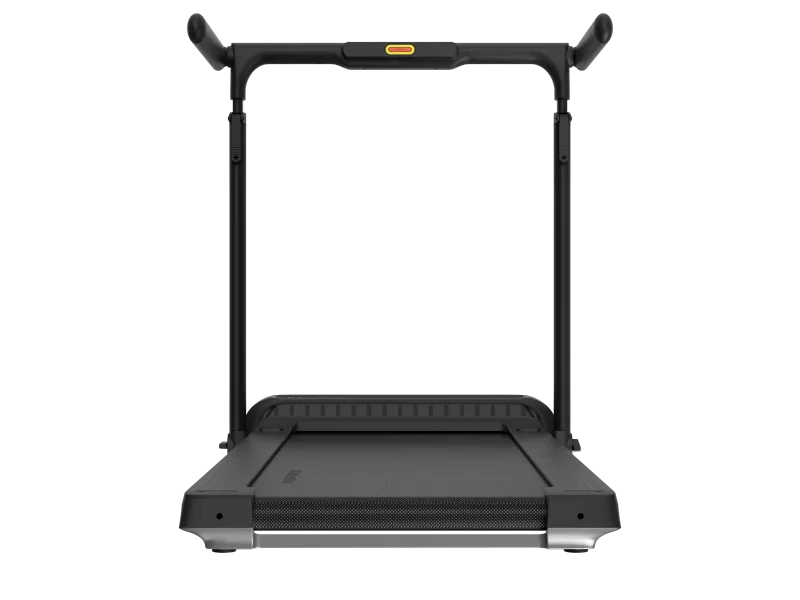
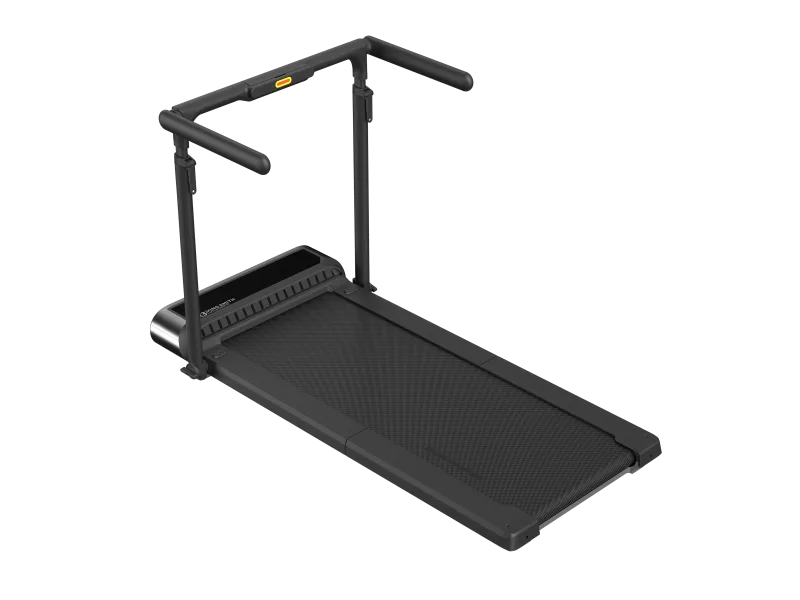
For walking-focused training, the WalkingPad R3 Just Walk Foldable Walking Pad is built for daily steps, and the WalkingPad C2 Foldable Walking Pad offers another slim option. If you want more speed and incline, look at the WalkingPad R3 Hybrid+ Foldable Treadmill or the KingSmith MX10 Folding Treadmill. Serious runners may prefer the KingSmith X21 Folding Treadmill or the KingSmith X25 Folding Treadmill for higher top speeds and sturdier decks.
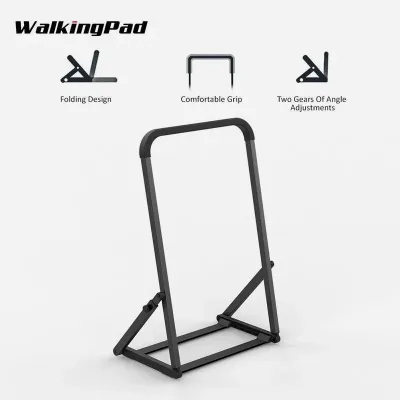
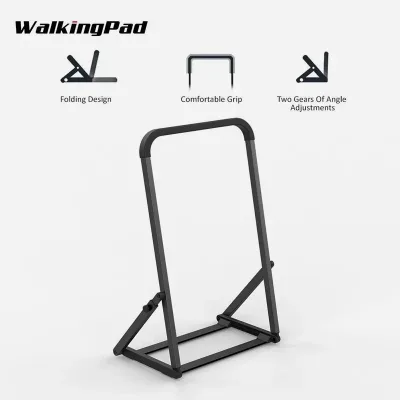
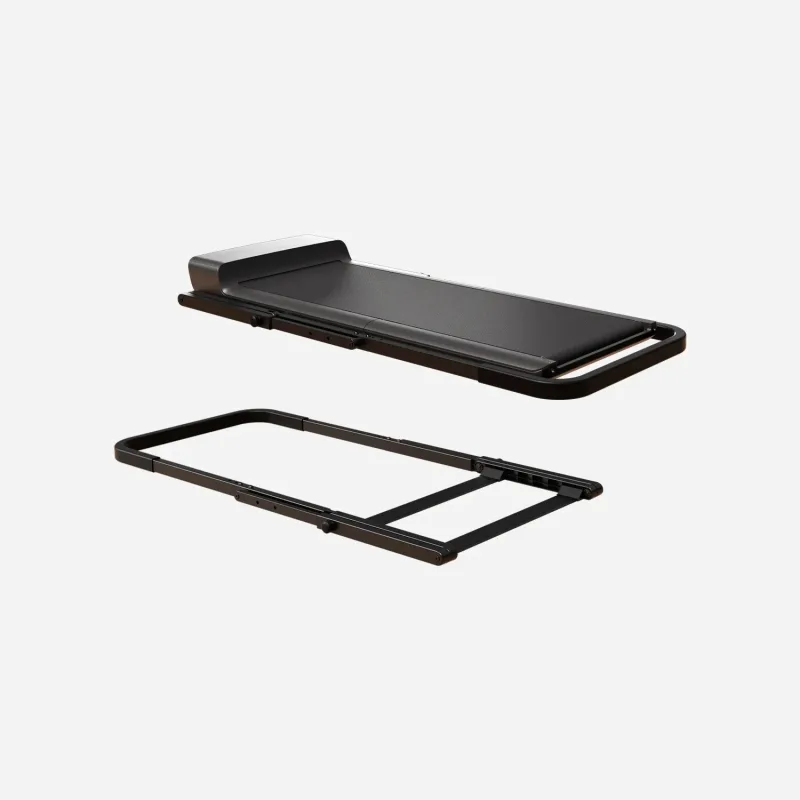
Bundles simplify the decision. The WalkingPad C2 Complete Bundle — Walking Pad, Handrail & Floor Mat and the WalkingPad A1 Pro Complete Bundle — Walking Pad, Handrail & Floor Mat include the accessories most people end up buying separately. A WalkingPad Detachable Handrail also works as a standalone upgrade for balance and safety.
Recovery and Mobility: The Pillar Most People Skip
Recovery is where progress actually happens. Massage guns, heat therapy, and mobility tools reduce soreness and help you train again sooner.
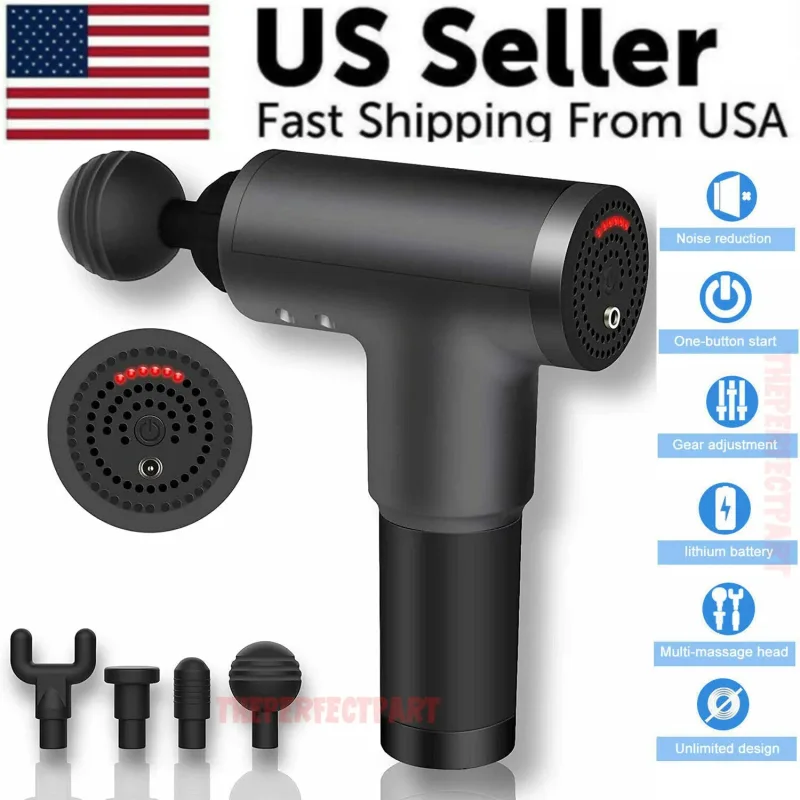
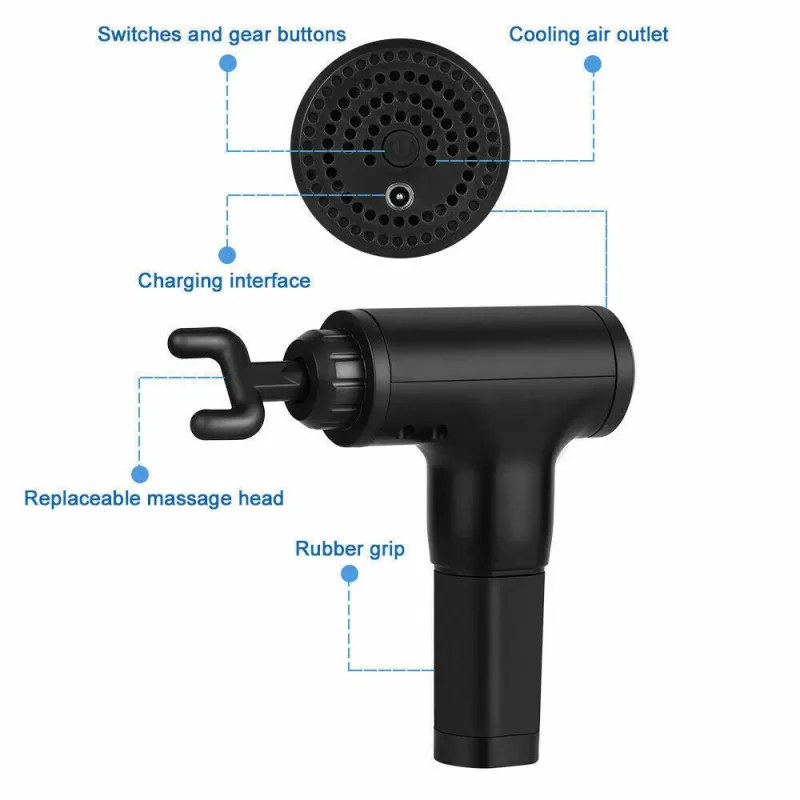
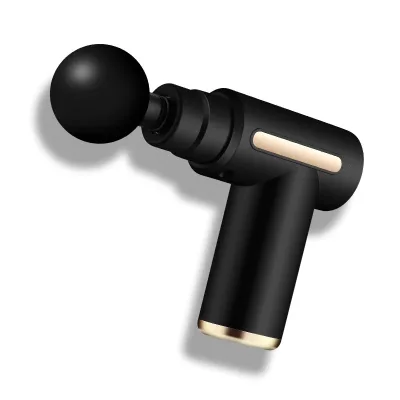
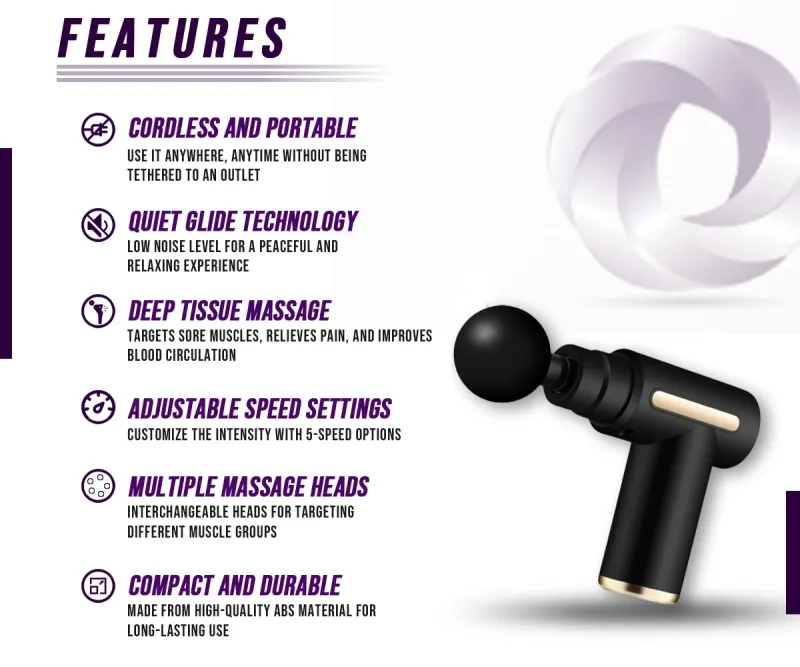
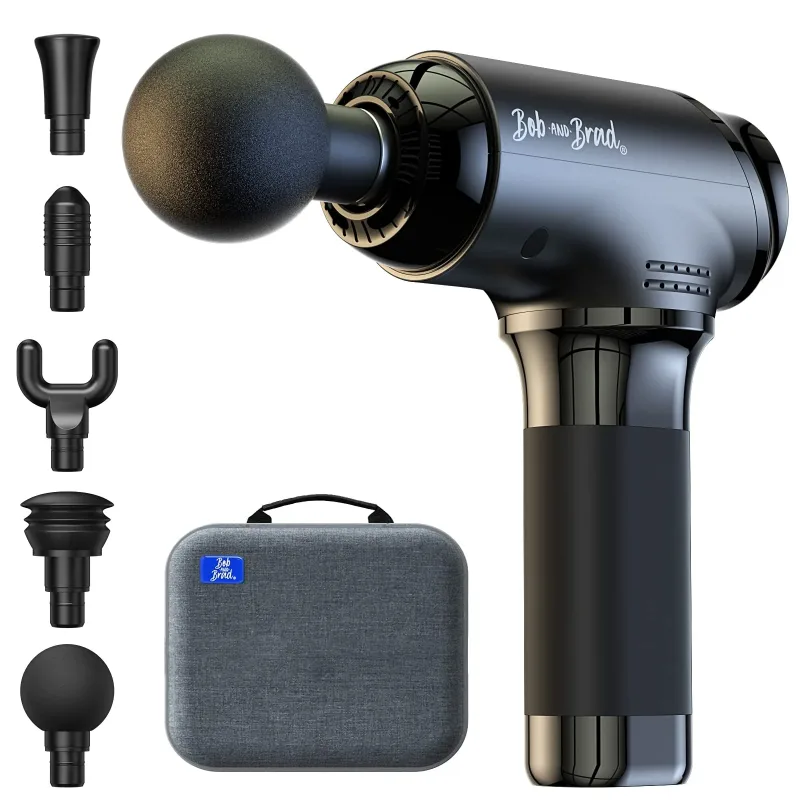
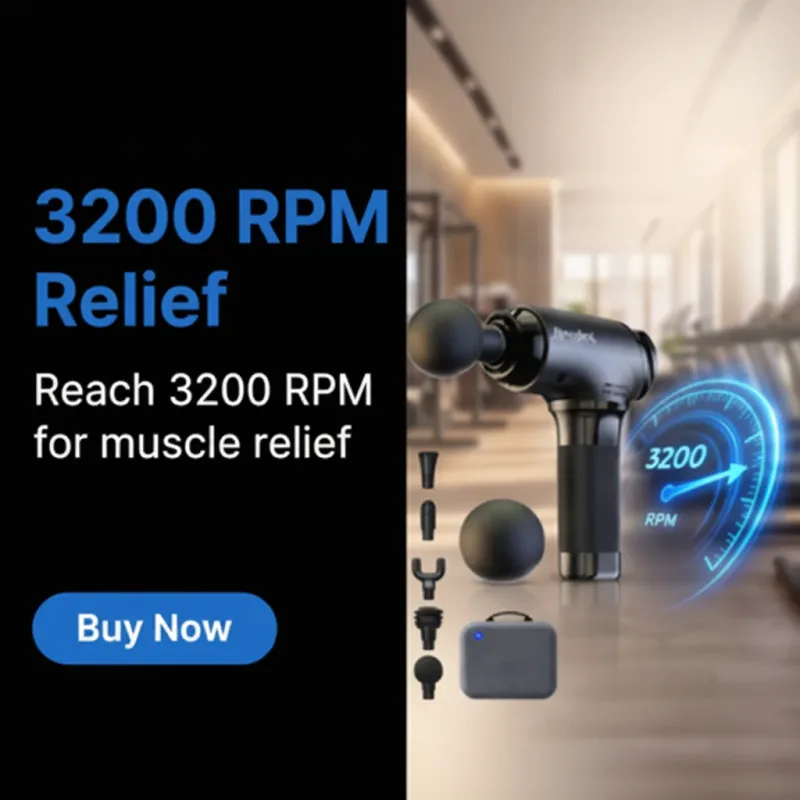
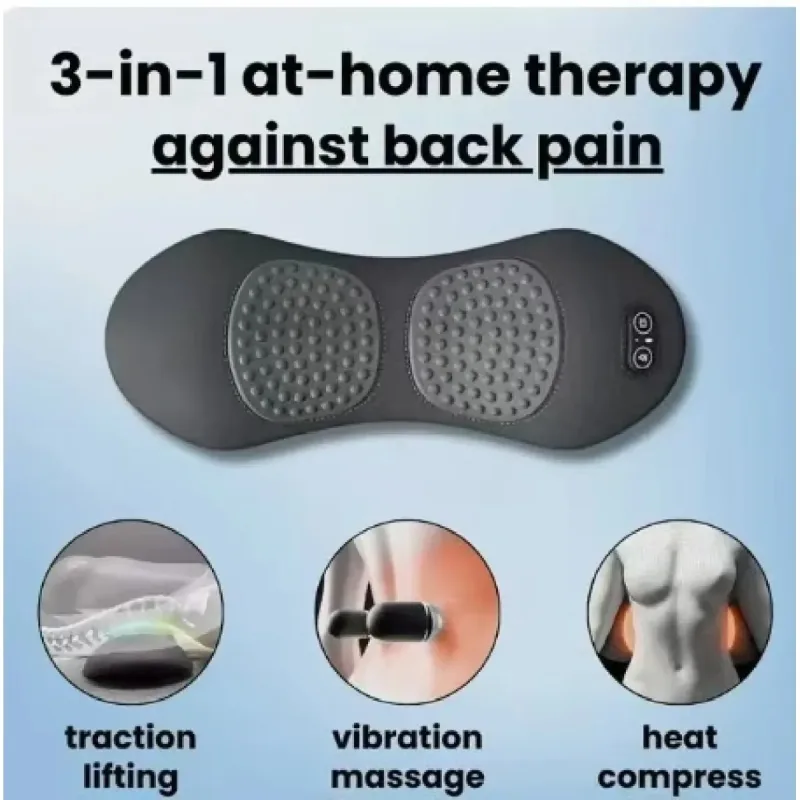
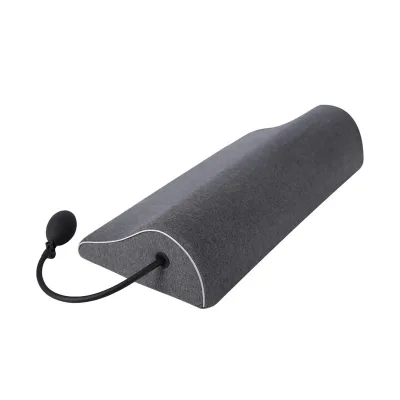
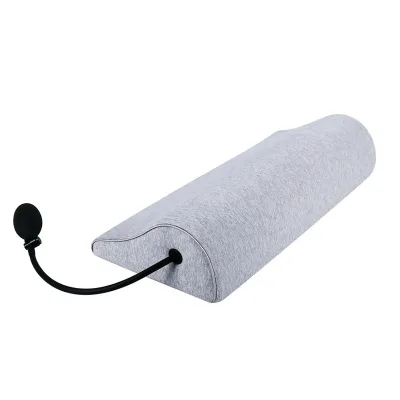
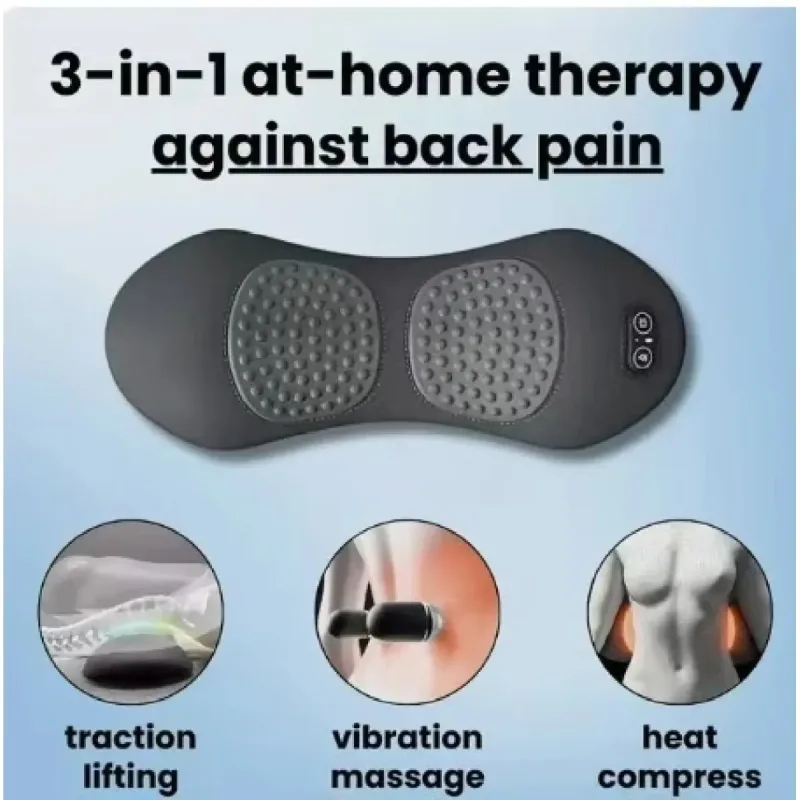
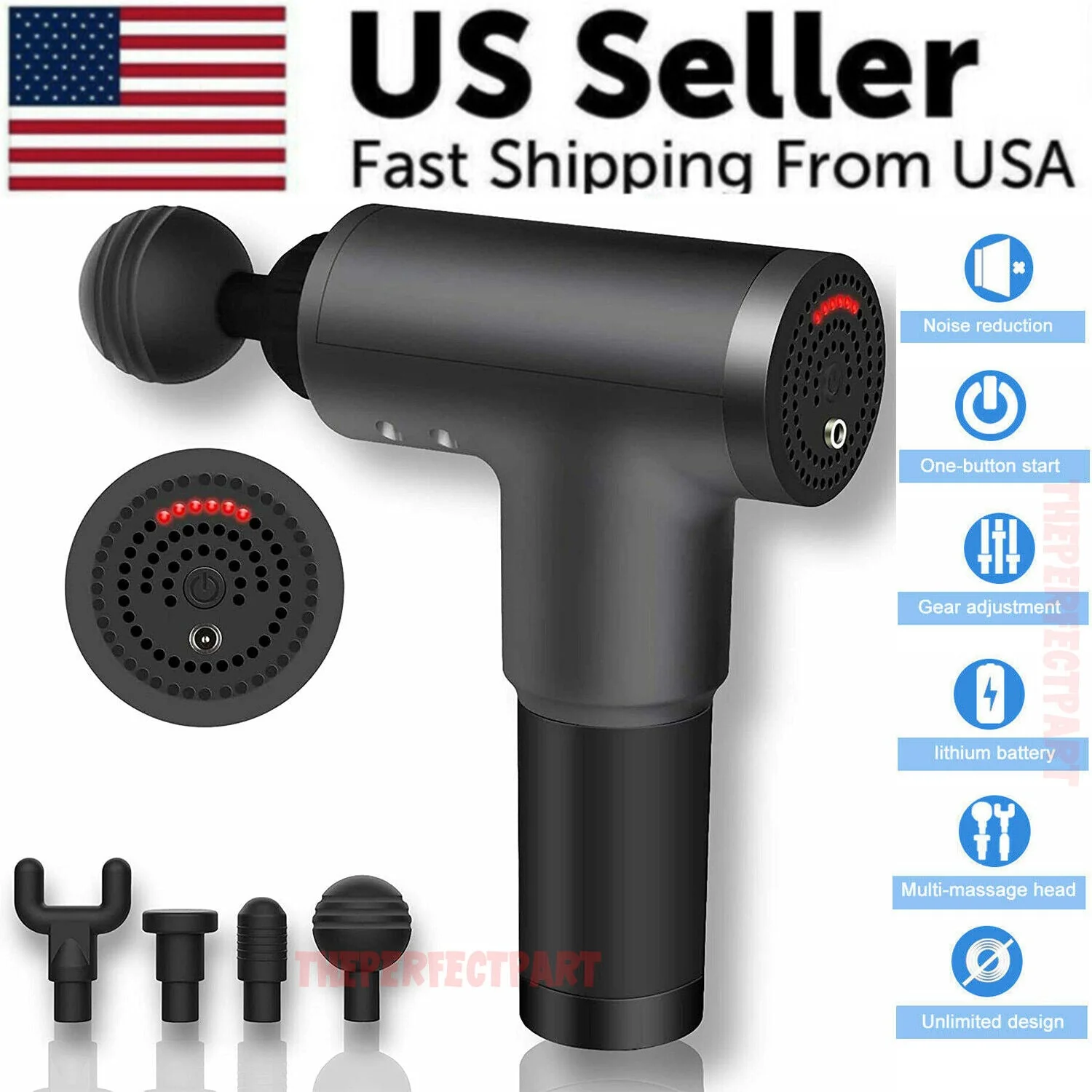
A Percussion Massage Gun with 4 Heads covers large muscle groups, while the Deep Tissue Muscle Massage Gun and the Premium BOB AND BRAD Deep Tissue Massage Gun offer deeper percussive therapy for athletes. For desk-bound days, a Heated Lumbar Massage Pillow – Lower Back Support or an Electric Lumbar Massage Pillow – Heat & Shiatsu eases lower-back tension.
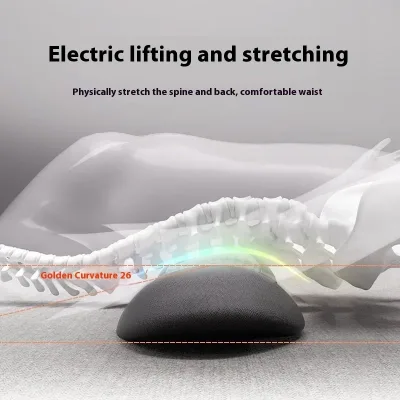
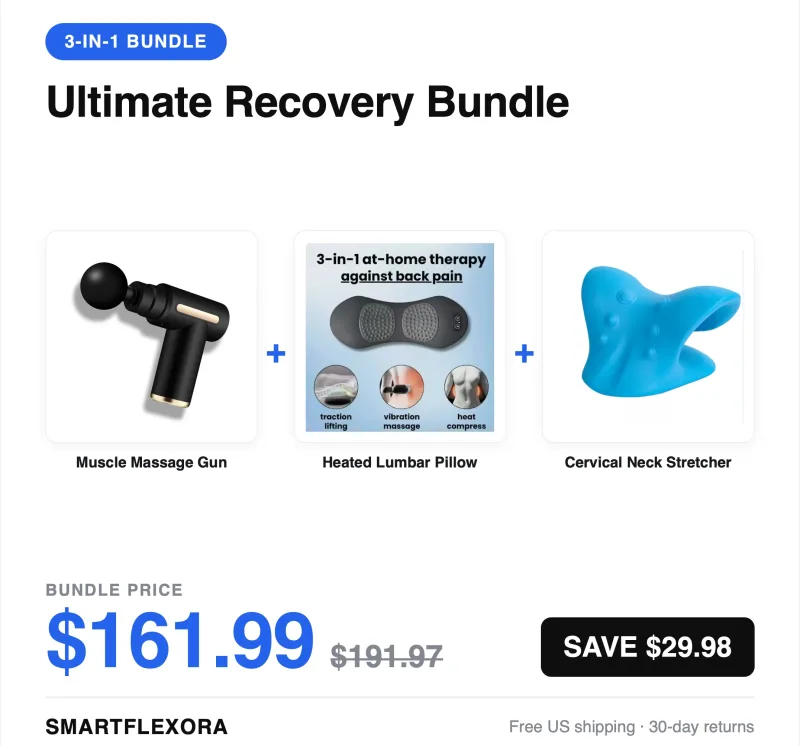
Neck and spine care matters too. A Cervical Neck Stretcher & Massage Pillow or a Memory Foam Cervical Pillow with USB Heat Traction can relieve the strain of long hours at a screen. If you want one purchase that covers everything, the Ultimate Recovery Bundle — Massage Gun + Heated Lumbar Pillow + Neck Stretcher combines the three most-used recovery tools in a single kit.
Protect Your Investment
Home gym equipment is a long-term purchase, so think about durability and support from day one. Warranty plans and bundles protect against the unexpected and often save money compared with buying items individually. Store your gear thoughtfully, keep cables and bands away from direct sunlight, and wipe down padded surfaces after sweaty sessions. A well-organized corner — bench on one side, walking pad folded against the wall, recovery tools in a basket — keeps your setup inviting rather than overwhelming.
Final Thoughts
You do not need a warehouse of equipment to train effectively at home. Choose one solid strength option, one reliable cardio machine, and two or three recovery tools, then stay consistent. Build the habit first, expand the setup second. That approach keeps your home gym useful, affordable, and something you will actually use every week.