Strength Training at Home: Build a Gym That Actually Gets Used
Home strength training works because it removes the two biggest barriers to consistency: travel time and crowded gyms. A well-chosen setup lets you train on your schedule, progress at your own pace, and recover properly in the same space. The trick is choosing equipment that matches your goals, then protecting that investment so a small failure never becomes a long layoff.
Below is a practical framework for building a home gym around strength, cardio, and recovery, plus a few tips on warranty plans and repairs that keep your downtime short.
1. Start With Strength Training Equipment and Bundles
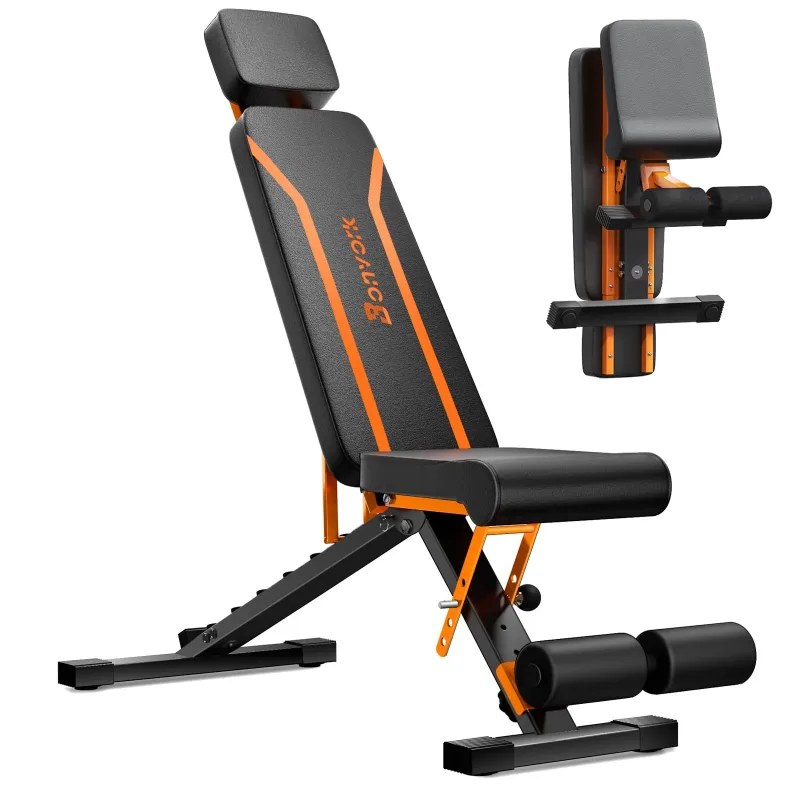
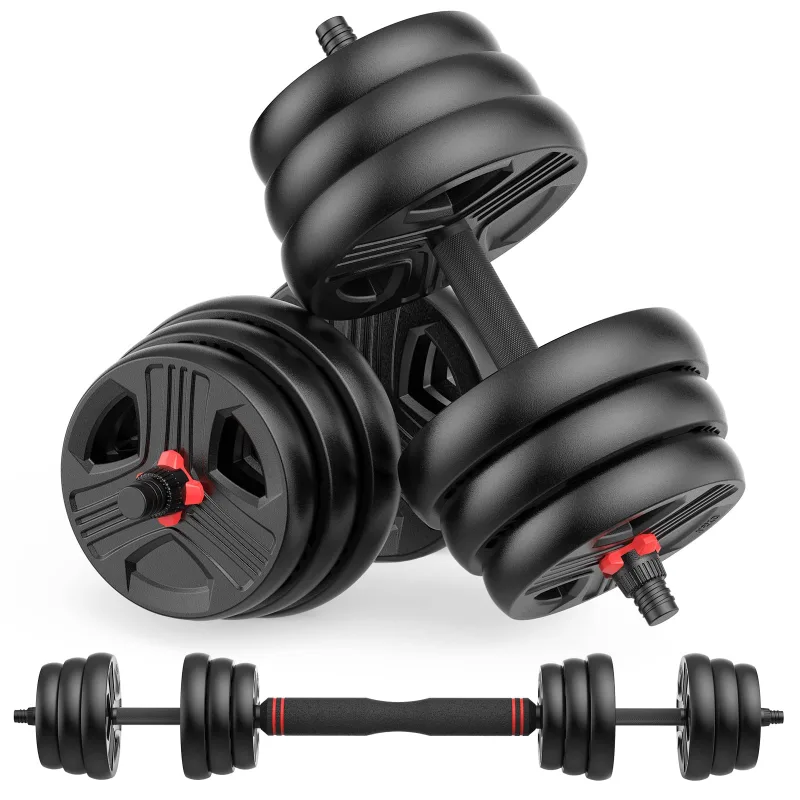
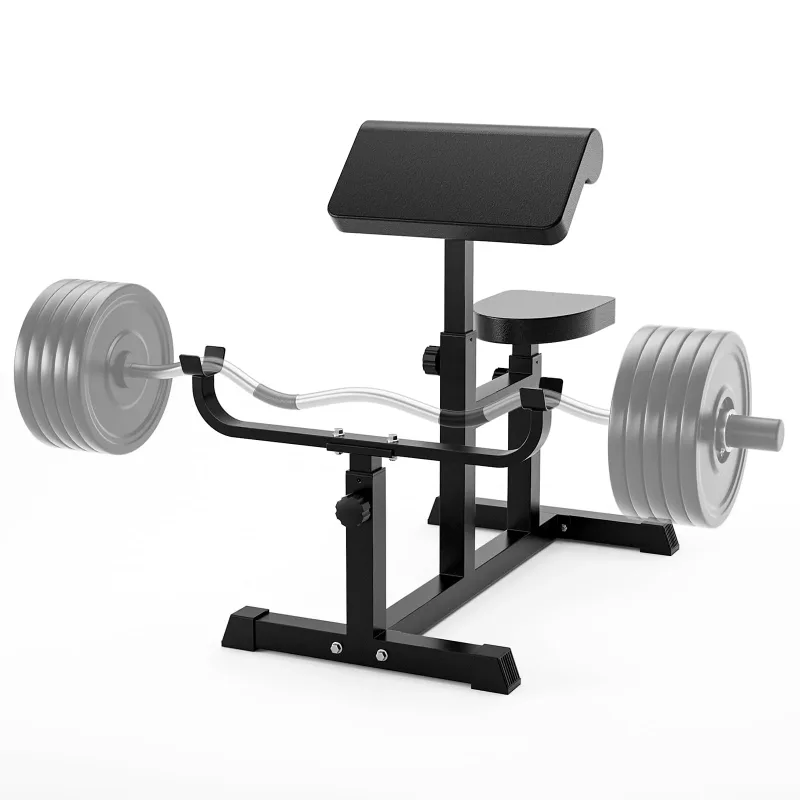
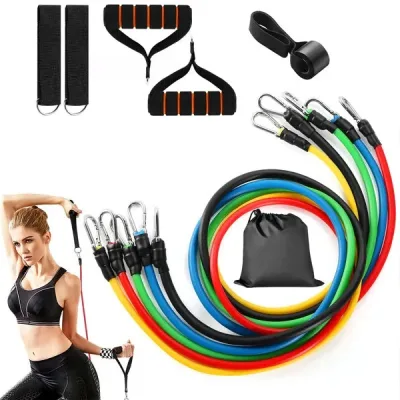
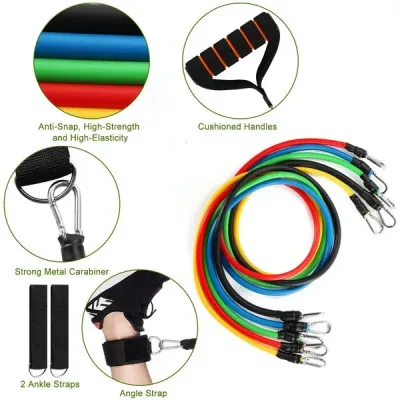
If your goal is general strength and muscle, start with the basics: a bench, adjustable resistance, and something to pull against. A Home Gym Starter — Adjustable Bench & Convertible Dumbbell Set covers pressing, rowing, and split squats in a footprint smaller than a sofa. Add an Uboway Preacher Curl Bench – Adjustable Height if you want strict arm work without swinging, and a 11-Piece Resistance Bands Set with Handles for warm-ups, accessory work, and travel days.
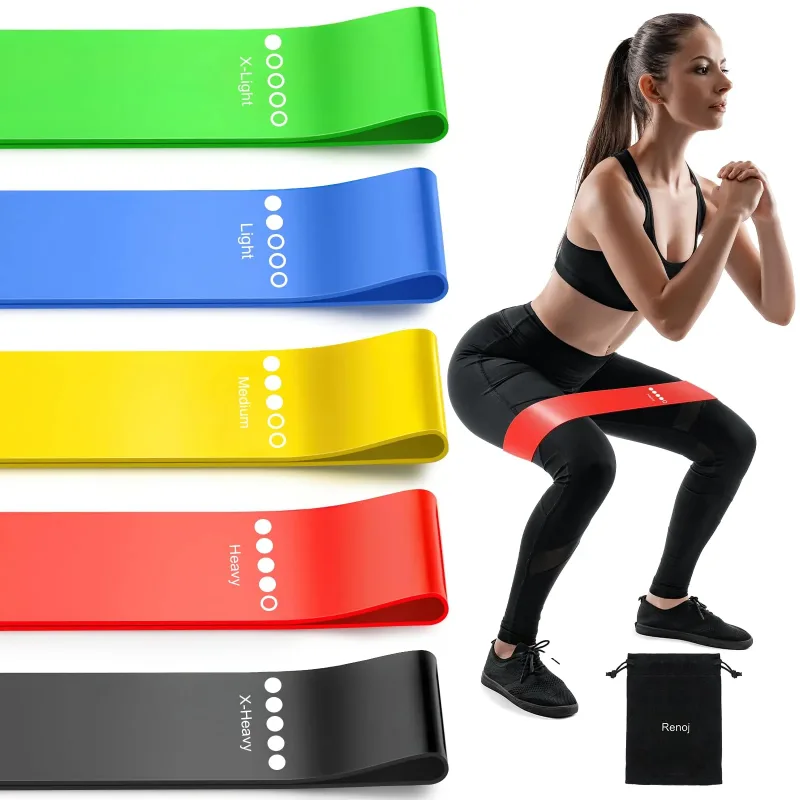
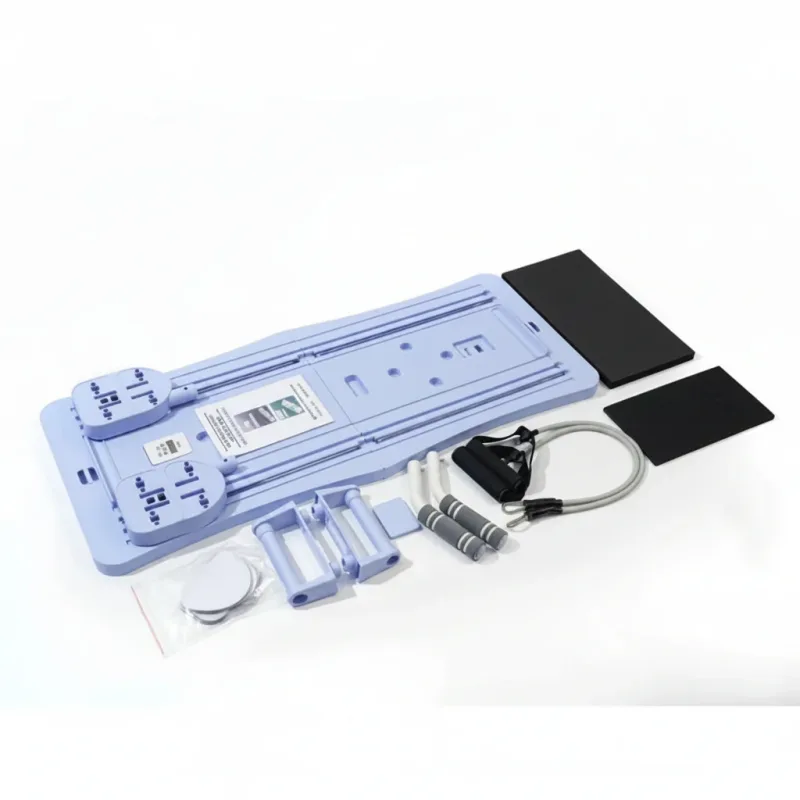
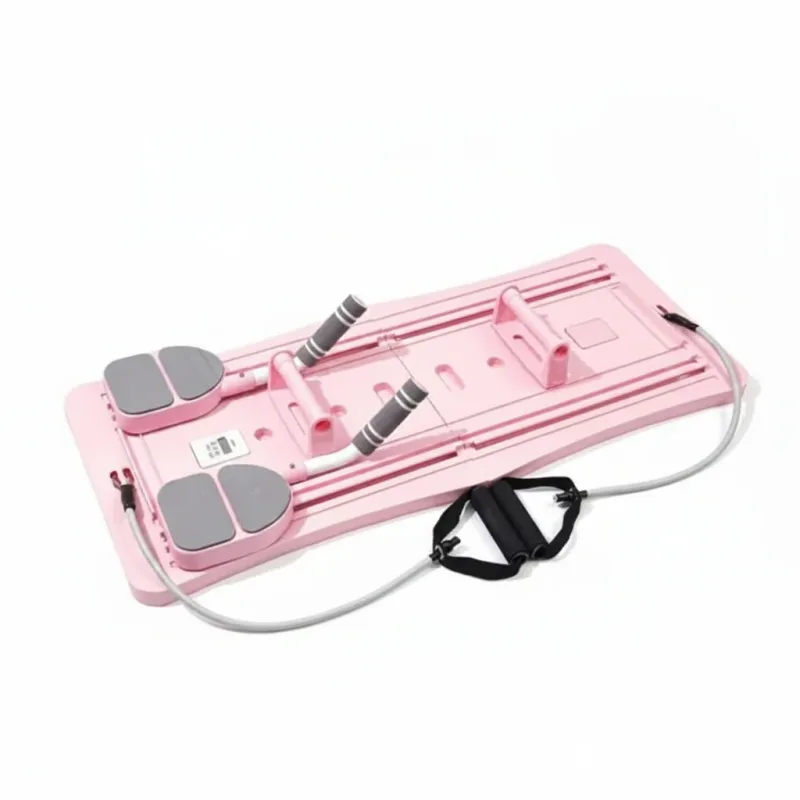
Bundles and kits are usually the smarter buy: you get matched components, fewer compatibility surprises, and a single decision instead of ten. If you train lower body at home, a Booty Resistance Bands – 5-Piece Set adds hip and glute volume with almost no storage cost. For core and mobility, a Compact Pilates Sliding Board – Reformer Alternative is a quiet, low-impact option that pairs well with heavier lifting days.
2. Cardio and Combat Conditioning
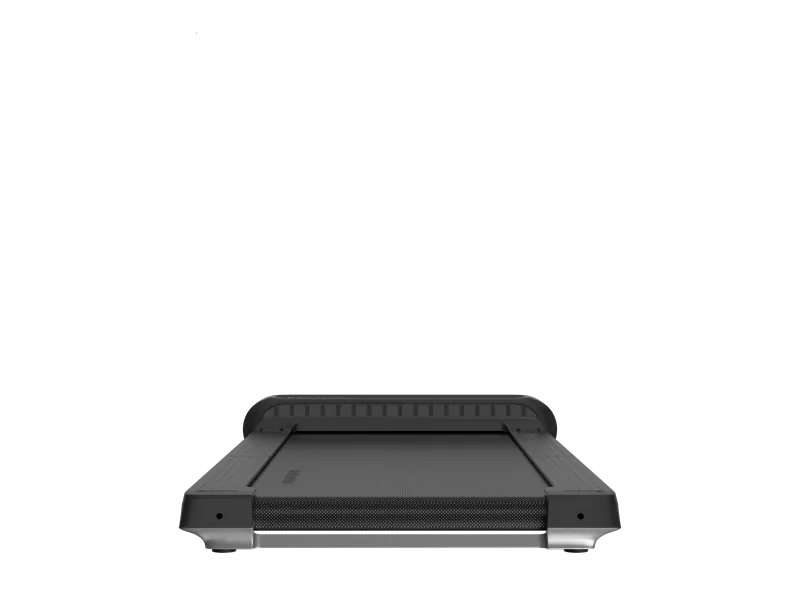
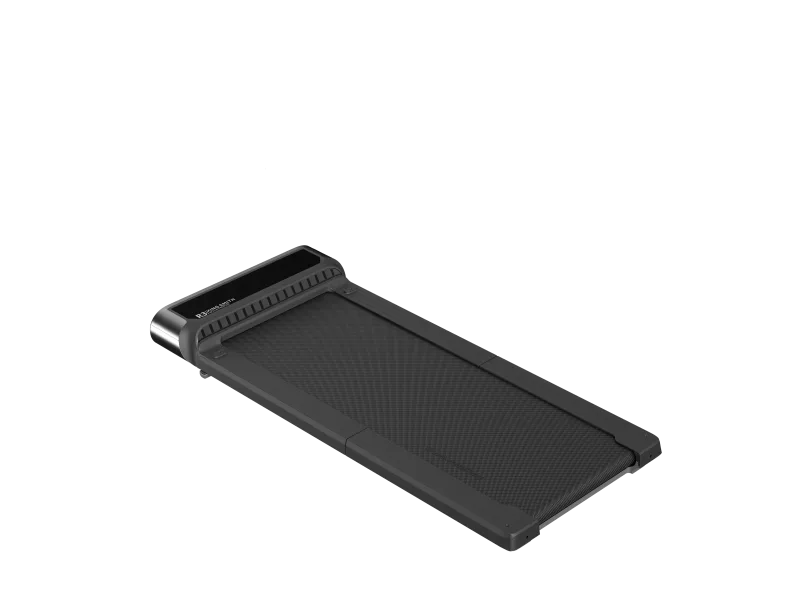
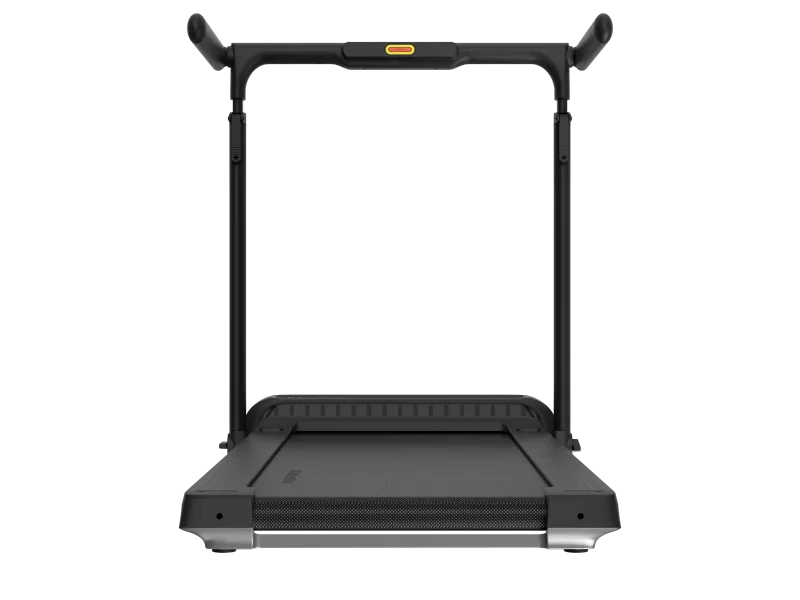
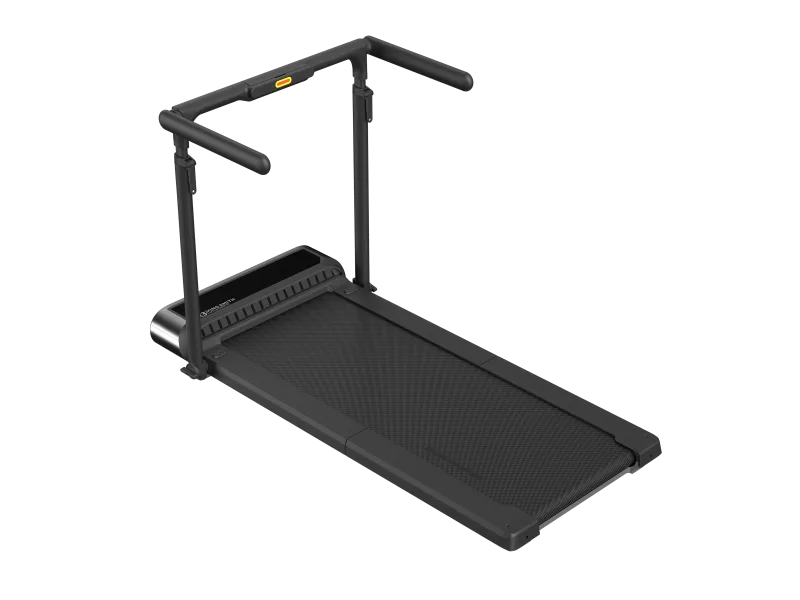
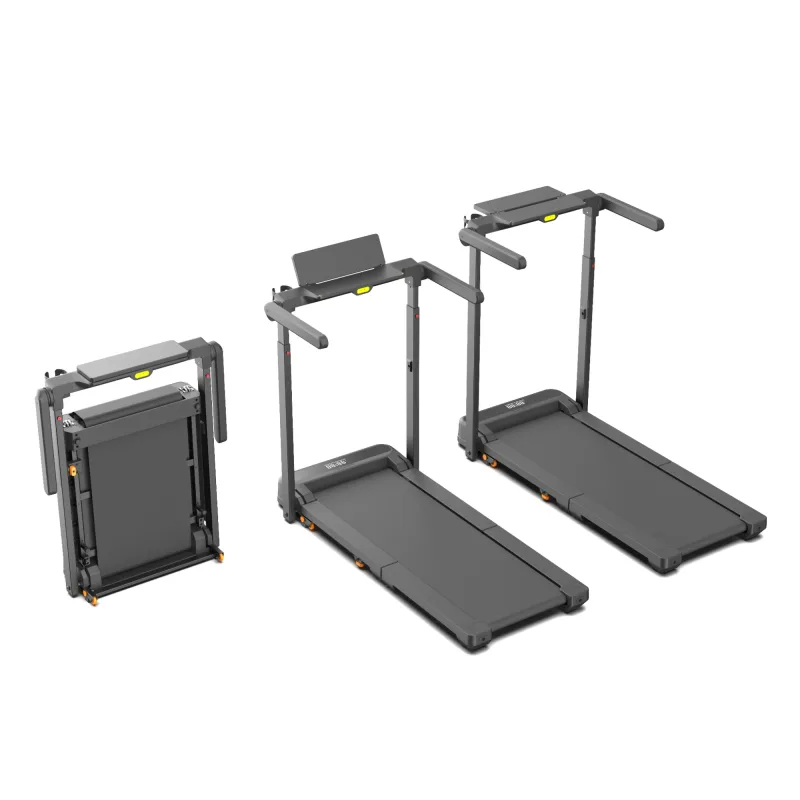
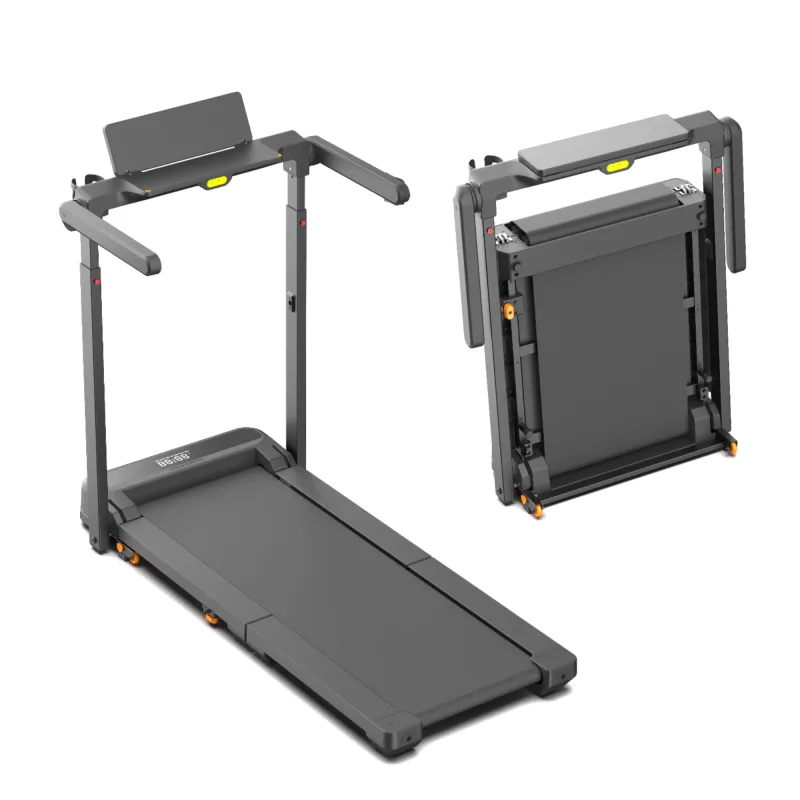
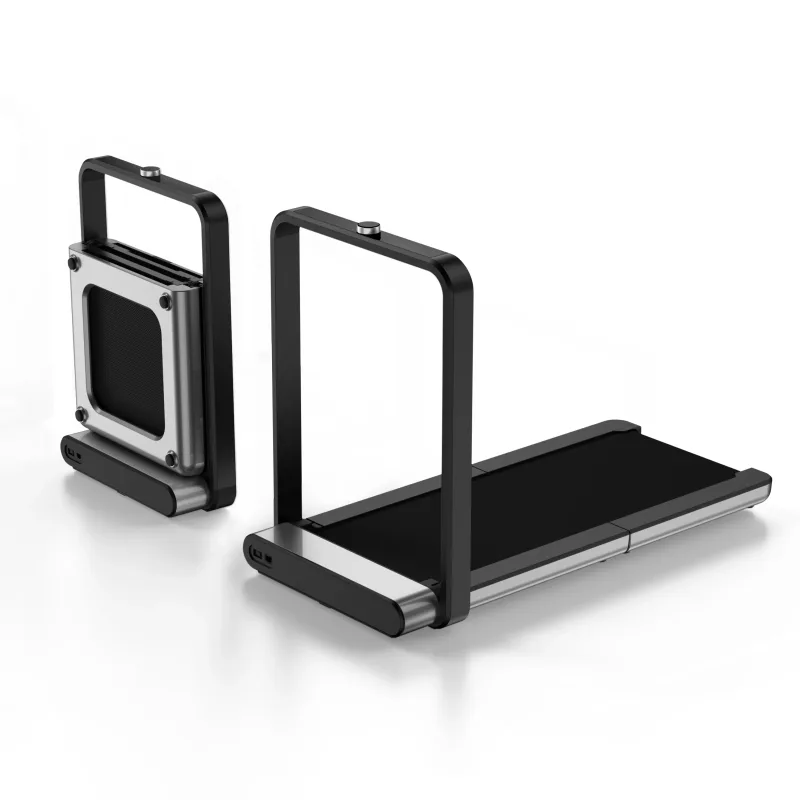
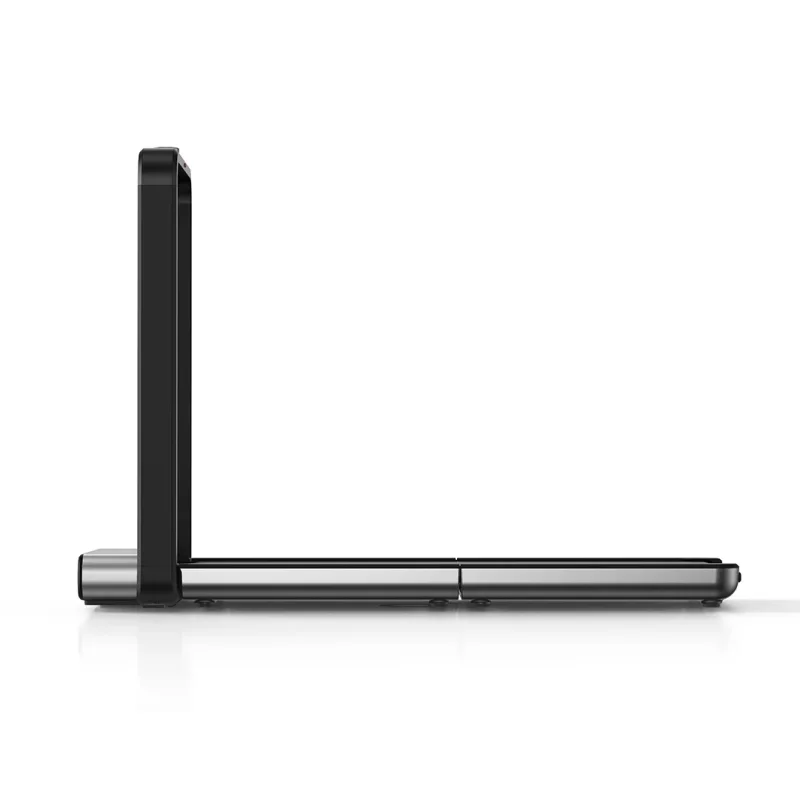
Strength alone leaves conditioning on the table. Rowing machines and treadmills cover most needs, but folding walking pads have become the default for apartments and small rooms because they slide under a desk or bed.
- WalkingPad R3 Just Walk Foldable Walking Pad — simple, low-maintenance walking for daily steps.
- WalkingPad R3 Hybrid+ Foldable Treadmill — more range when you want faster intervals.
- KingSmith MX10 Folding Treadmill and KingSmith X21 Folding Treadmill — sturdier decks for longer sessions.
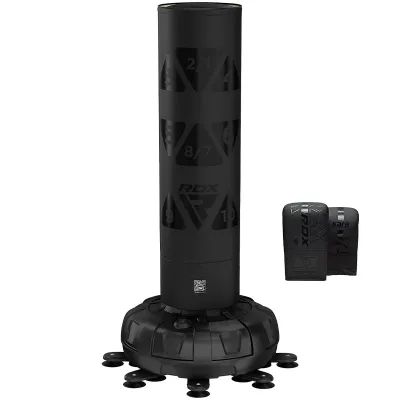
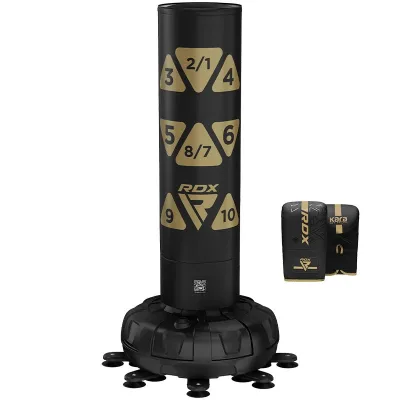
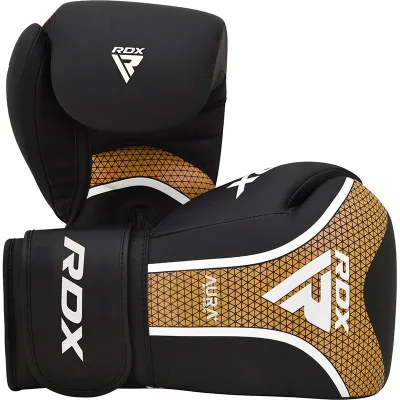
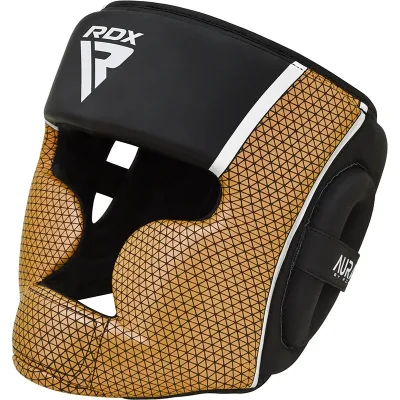
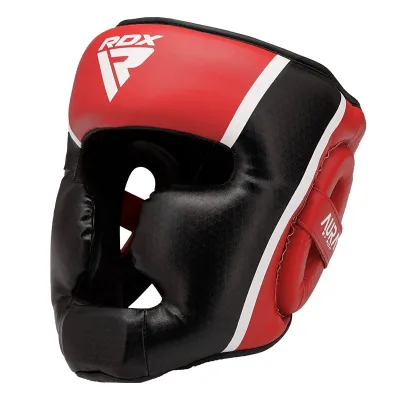
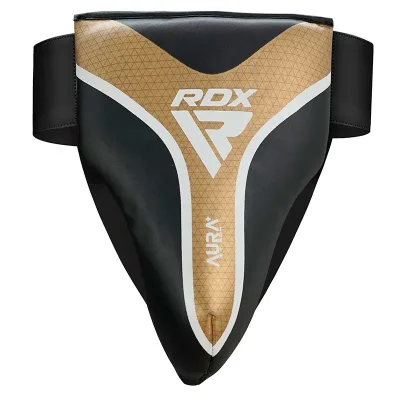
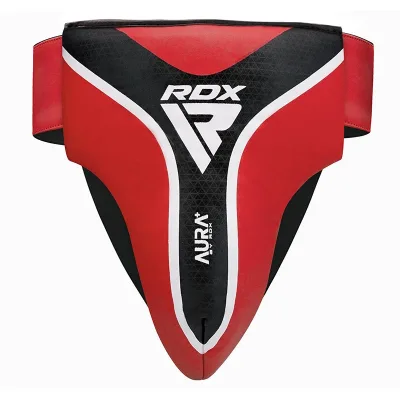
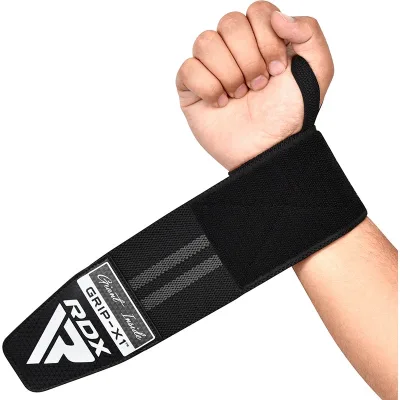
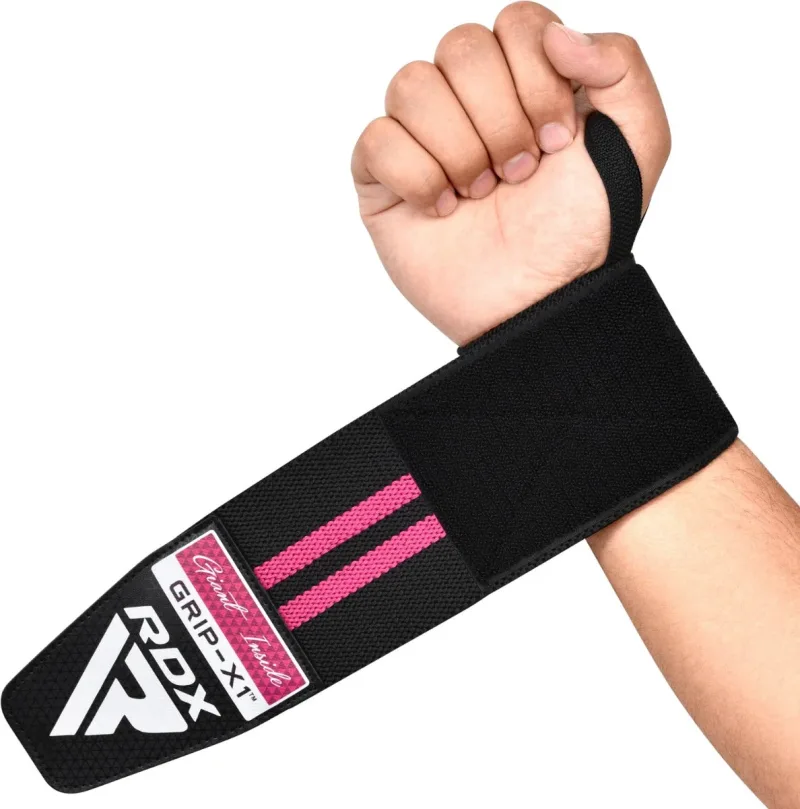
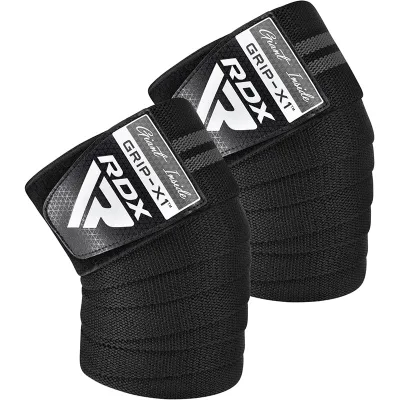
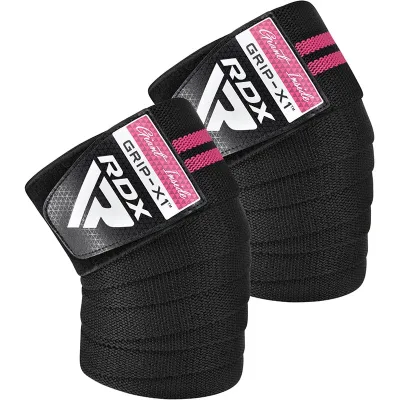
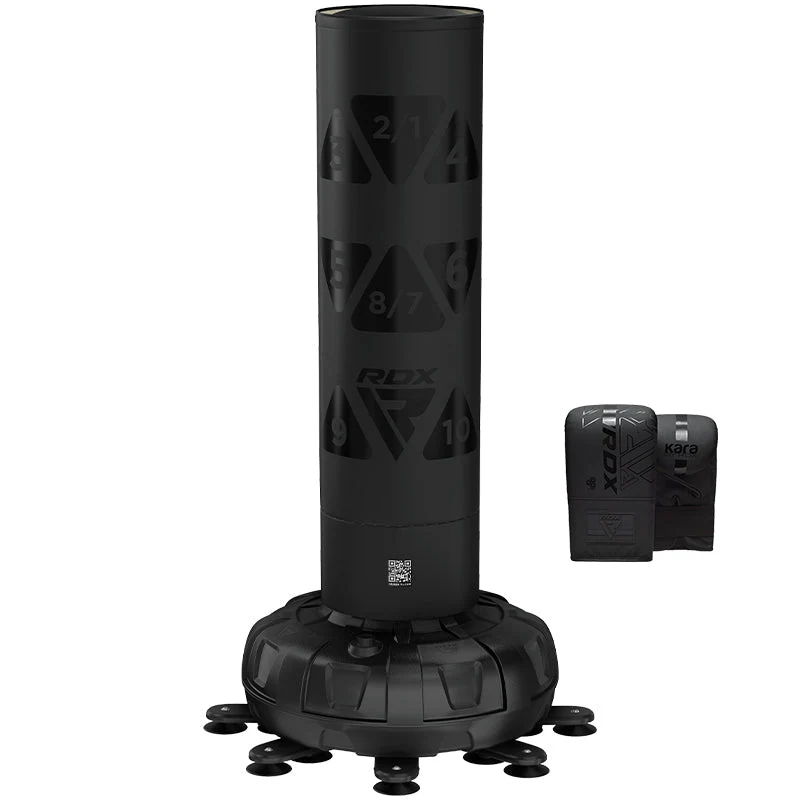
If you prefer boxing and combat sports, a RDX Target Free-Standing Punch Bag delivers a full striking workout without ceiling mounts. Round it out with RDX F15 Boxing Gloves, RDX Aura Plus T-17 Boxing Gloves, and protective gear such as the RDX Aura Plus T-17 Head Guard and RDX Aura Plus T-17 Groin Guard. Wrist and knee support from RDX R11 Wrist Wraps and RDX R11 Knee Wraps keeps joints stable as intensity climbs.
3. Recovery and Mobility Are Part of the Program
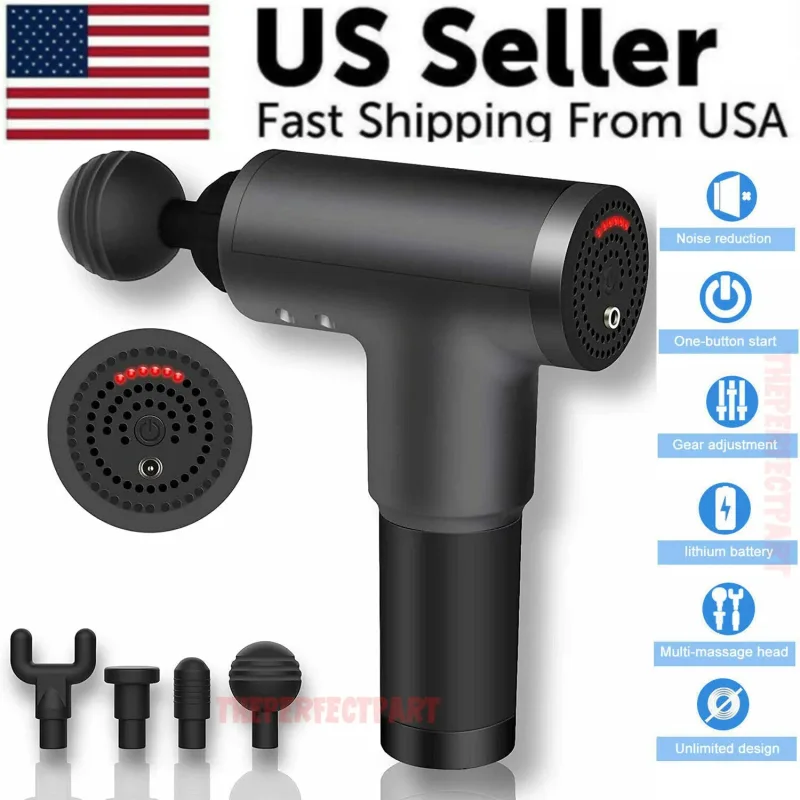
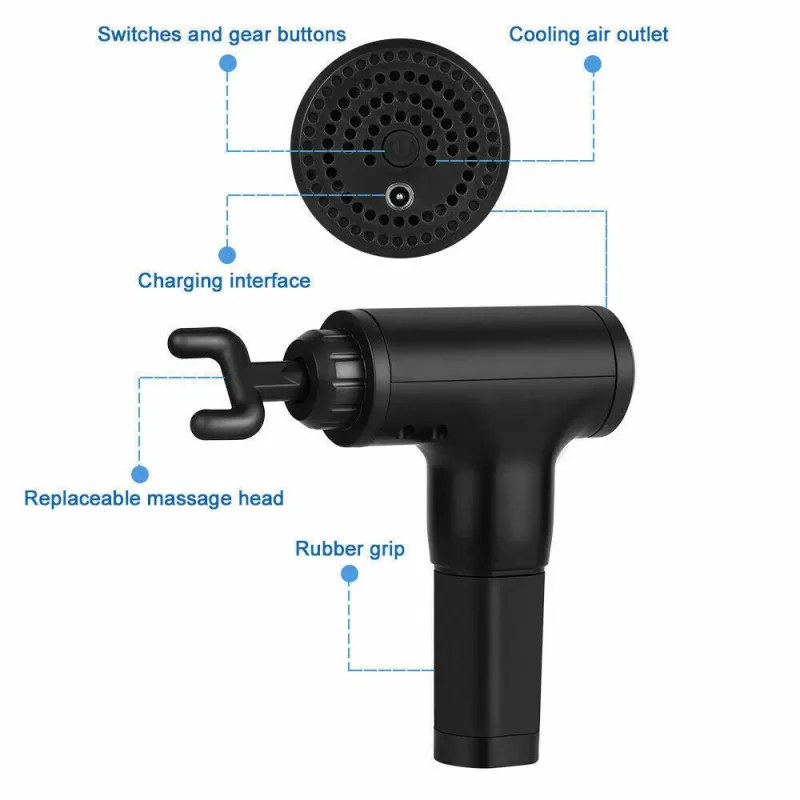
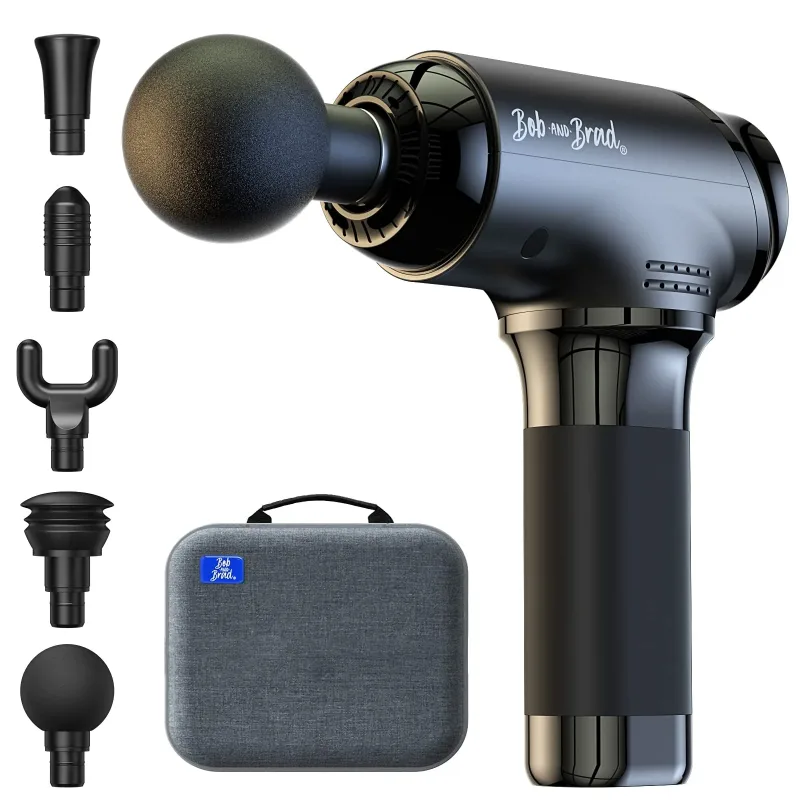
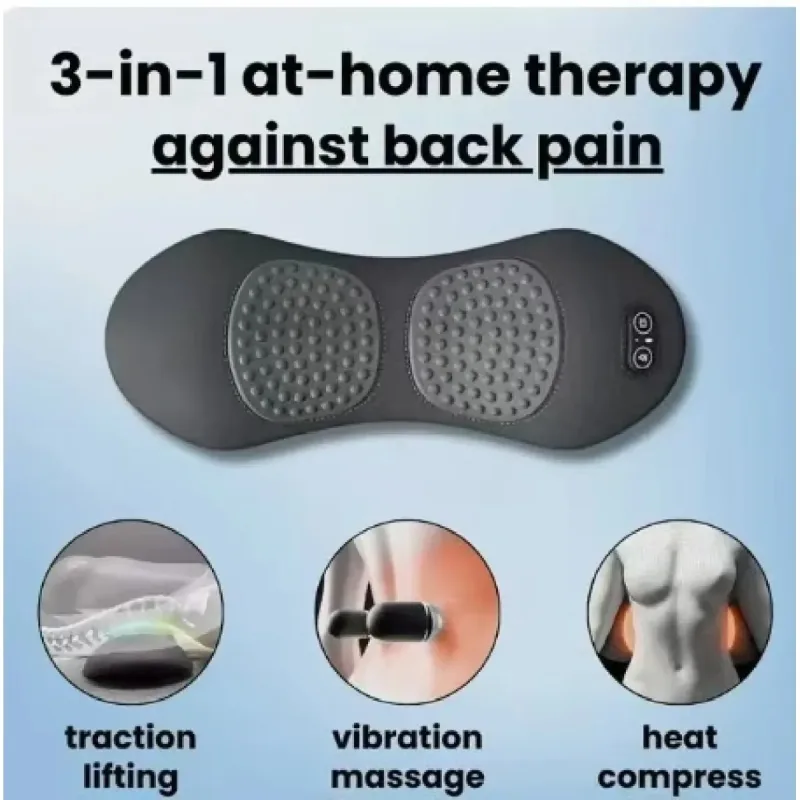
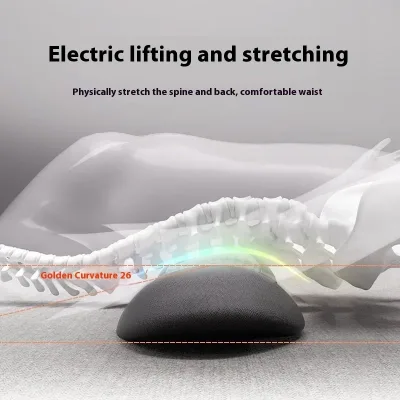
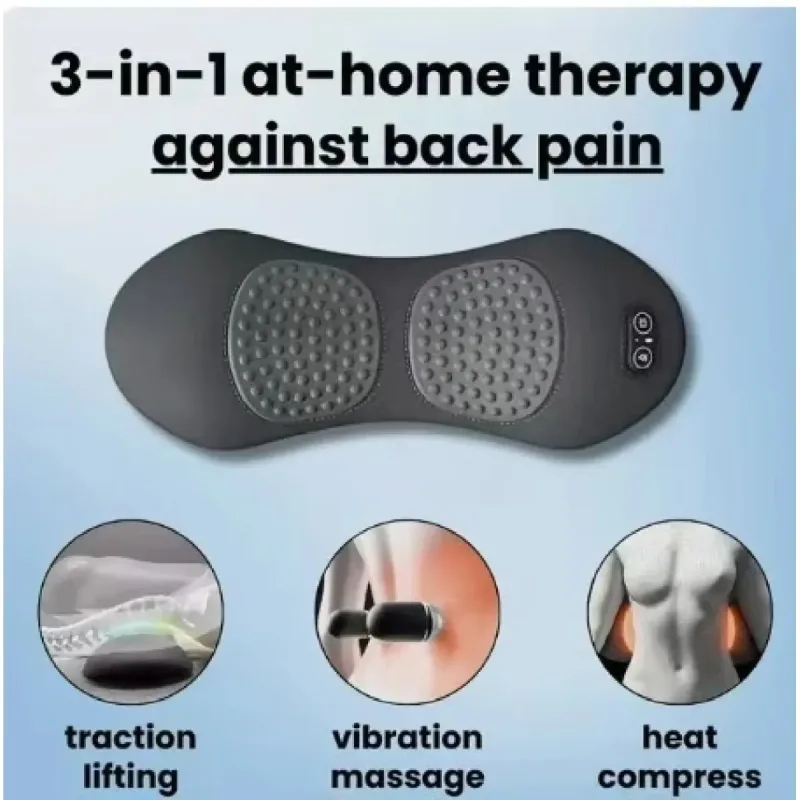
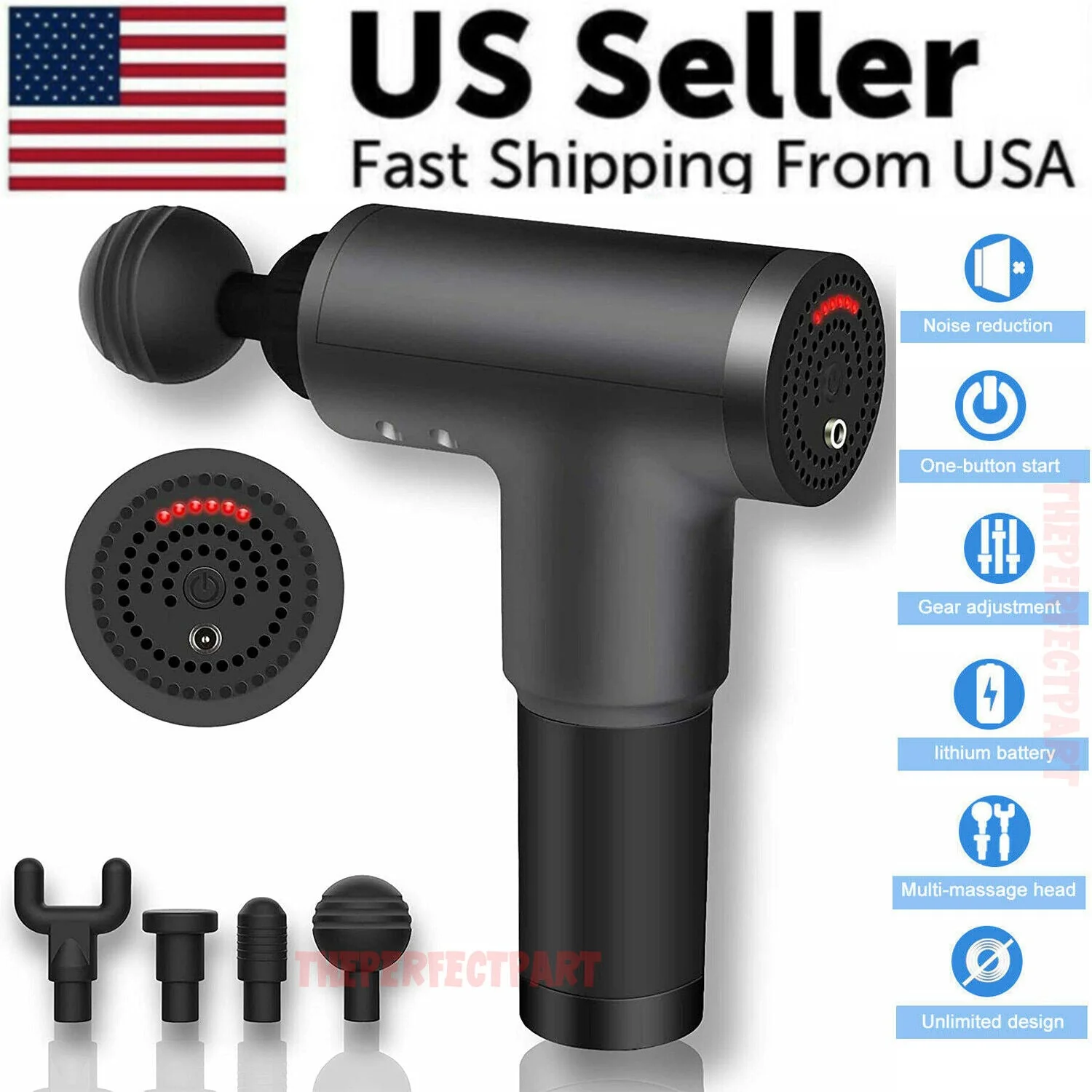
Progress happens between sessions. A percussion device like the Percussion Massage Gun with 4 Heads or the Premium BOB AND BRAD Deep Tissue Massage Gun helps flush tightness after heavy days. For desk-bound athletes, heated support cushions such as the Heated Lumbar Massage Pillow – Lower Back Support and Electric Lumbar Massage Pillow – Heat & Shiatsu make evening recovery effortless.
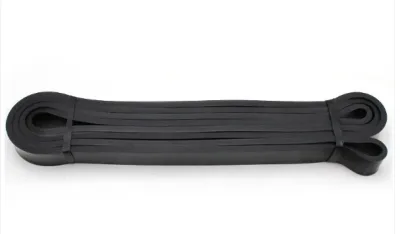
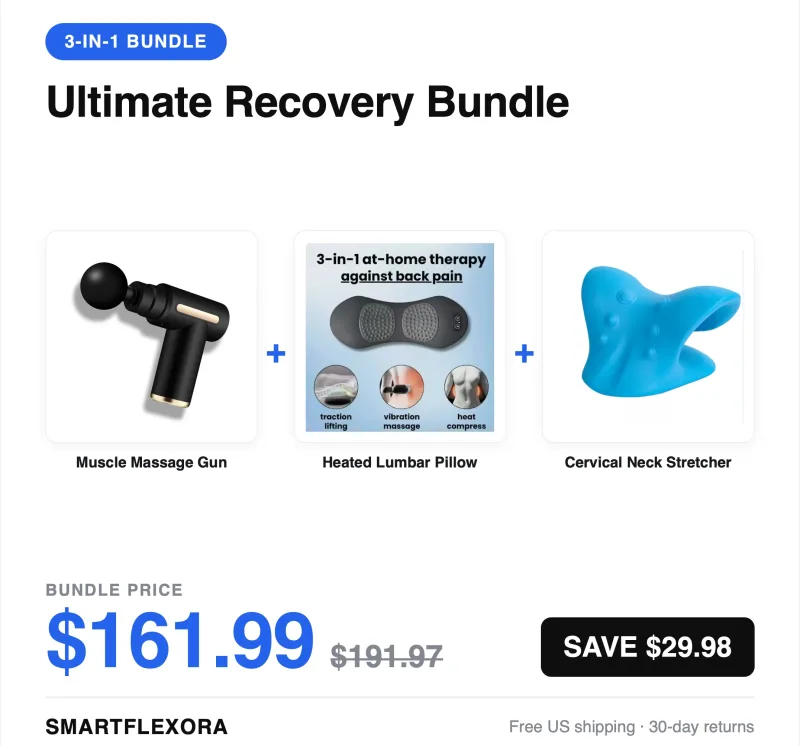
Mobility tools matter just as much. A Yoga Pull Rope – Stretching & Pull-Up Assist Belt helps you reach end ranges safely, while a Cervical Neck Stretcher & Massage Pillow addresses the neck tension that builds from screen time. If you want one purchase that covers several bases, the Ultimate Recovery Bundle — Massage Gun + Heated Lumbar Pillow + Neck Stretcher bundles the essentials.
4. Protect Your Investment With Warranty and Repair Options
Treadmills, walking pads, and massage guns are mechanical devices — belts stretch, motors wear, batteries age. A warranty plan or a product repair add-on is inexpensive relative to replacing a machine, and it keeps you training instead of waiting on a new unit. When you order cardio equipment, check whether an extended plan is offered at checkout, and register your purchase so claims are simple. Keep proof of purchase, follow the maintenance schedule in the manual, and store folding pads flat rather than propped against a wall.
5. A Weekly Routine That Blends Everything
- Monday: Full-body strength with the bench and dumbbell set, 45 minutes.
- Tuesday: 25–35 minutes on a walking pad or treadmill at a conversational pace.
- Wednesday: Boxing intervals on the punch bag, plus wrist and knee wraps.
- Thursday: Mobility session with the pull rope and sliding board.
- Friday: Strength again, slightly heavier or one more rep per set.
- Saturday: Longer walk or row, then 10 minutes with the massage gun.
- Sunday: Rest, light stretching, and heated lumbar support.
Buy for the routine you will actually keep, add recovery tools early, and treat warranty coverage as part of the equipment — not an afterthought. That combination is what turns a spare corner into a gym you use for years.